Tips for choosing ski touring clothing
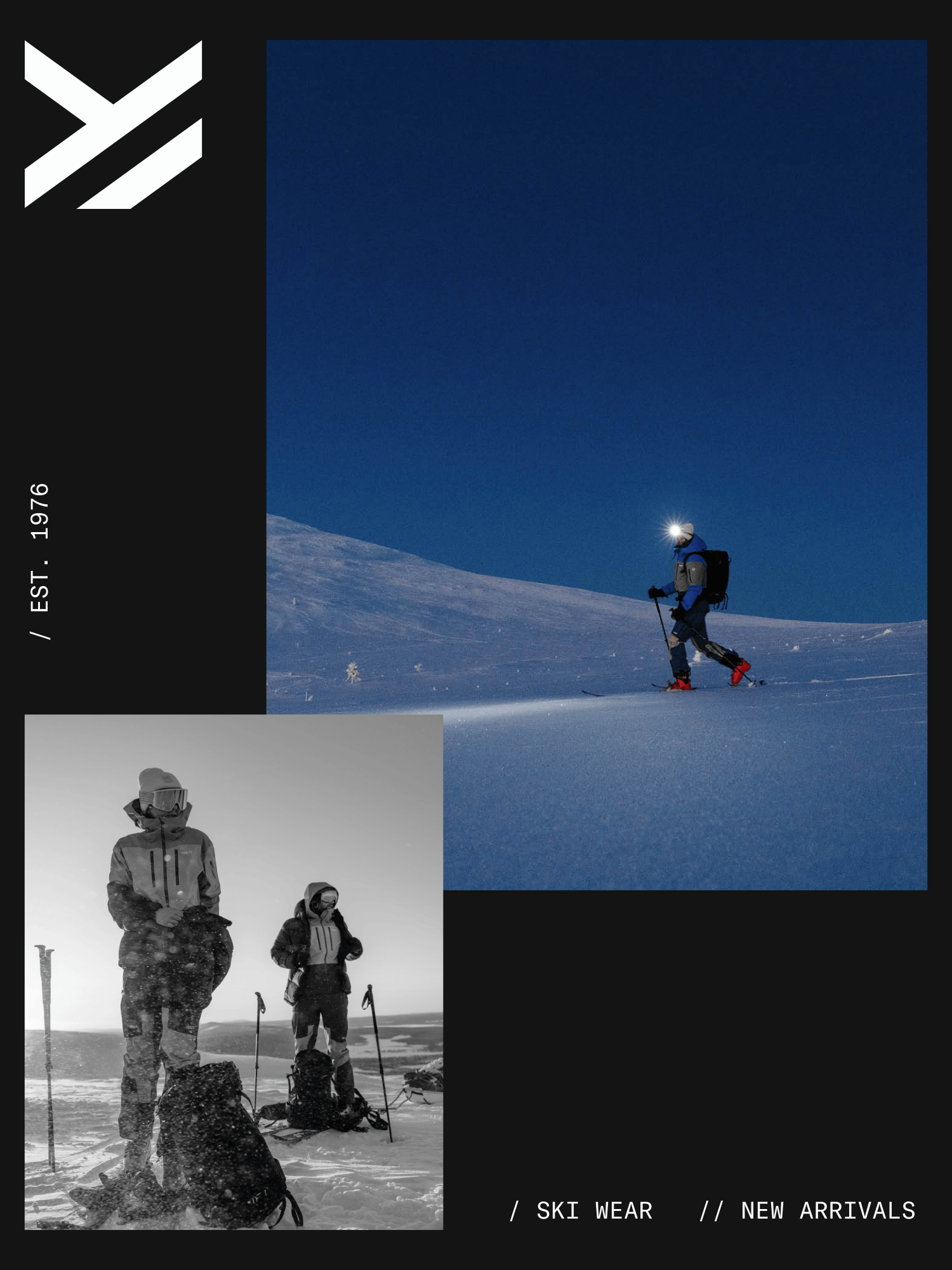
Ski touring is a growing sport that combines skiing, hiking, and downhill skiing. It offers adventurous outdoor enthusiasts the opportunity to explore areas that are not typically reached on traditional ski tracks or ski slopes.
The versatile activity is also known as backcountry skiing, ski mountaineering, alpine touring and freeriding. Different enthusiasts emphasize different aspects of the sport. Some prioritize skiing, while others focus on downhill descents.
The sport is a combination of physically demanding hiking and exhilarating descents. Ski touring places specific demands on clothing, and the right attire is crucial for enjoying ski touring comfortably and safely.
LAYERING
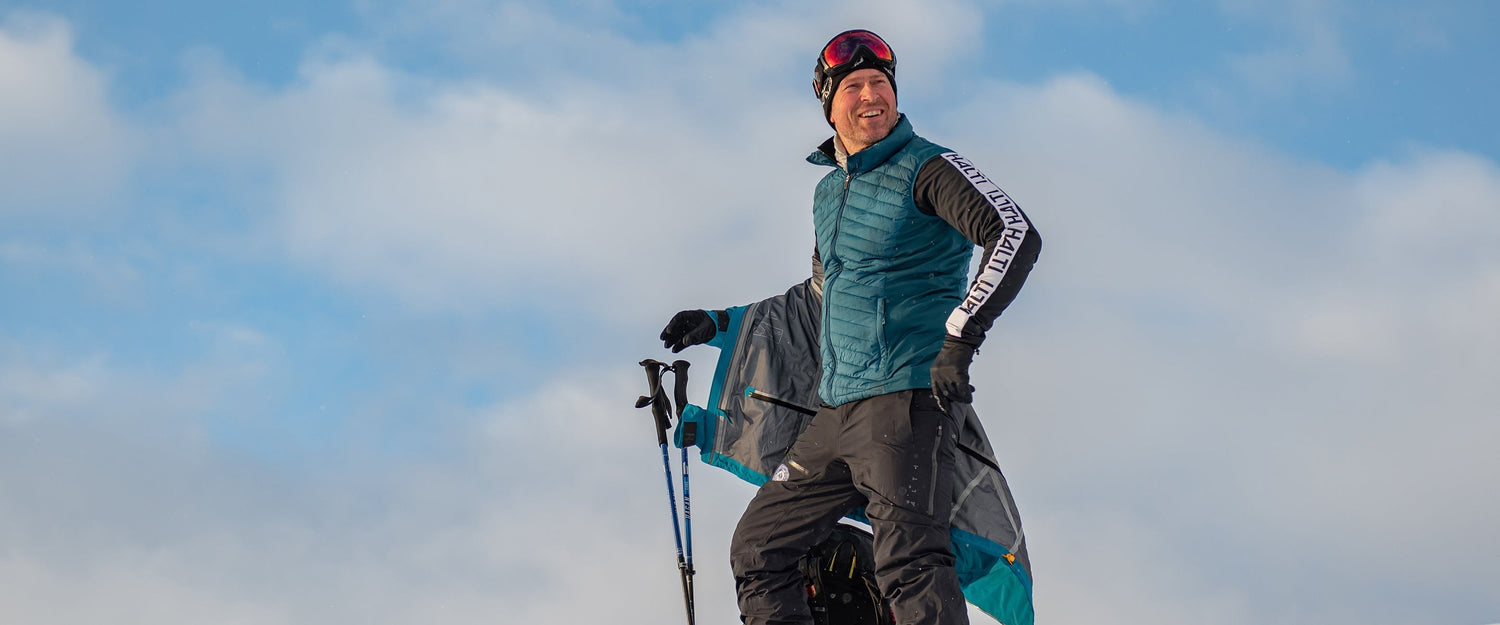
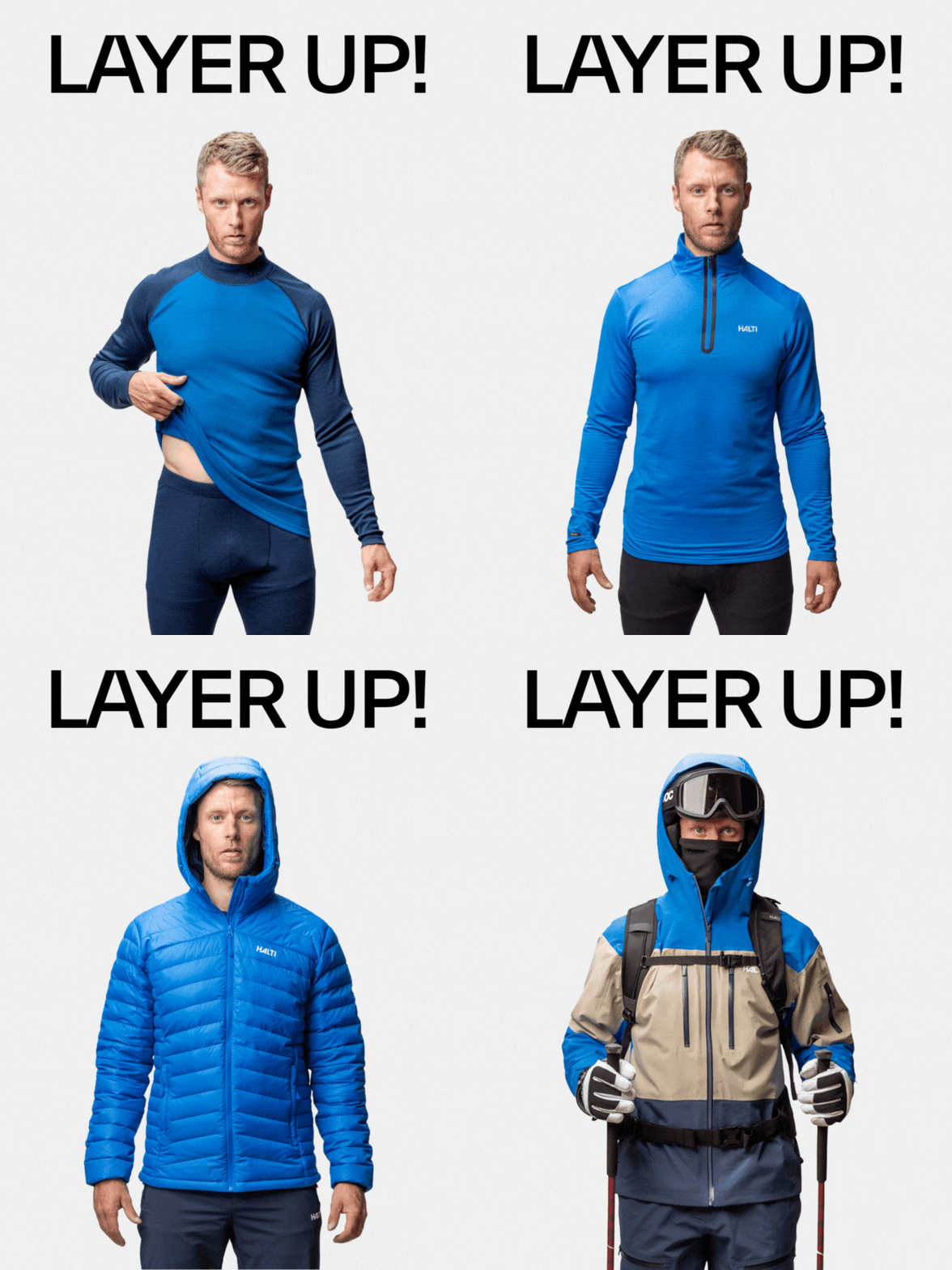
Layering is key for ski touring. Layering is traditionally divided into three layers: base, mid and outer layers. It is important to understand that each layer serves its purpose and works together, either providing warmth or cooling as needed while also helping to manage moisture.
The base layer's purpose is to transfer moisture produced by the body away from the skin, helping maintain a comfortable feeling. The mid-layer's main function is to provide insulation and support temperature regulation. The outer layer, in turn, protects against wind and water.
BASE AND MID LAYERS
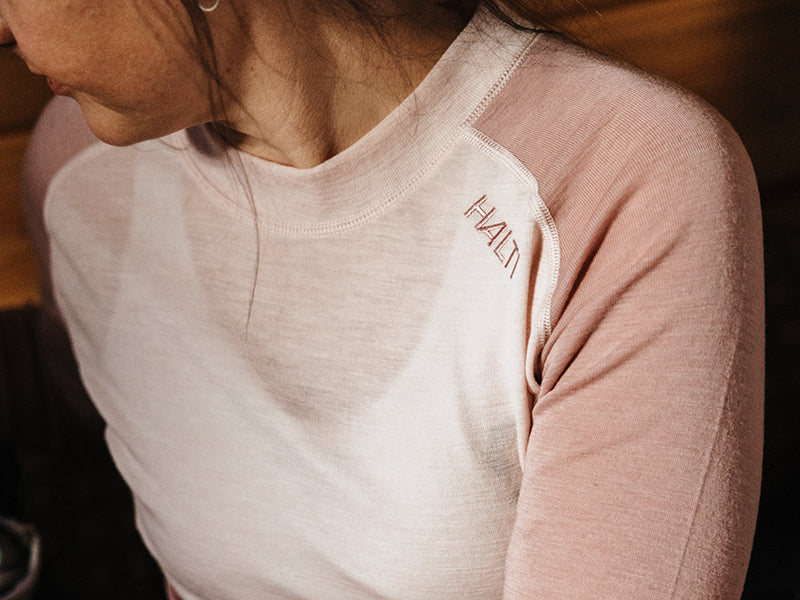
Merino wool is a popular material for base layers. In addition to merino wool, technical fabrics with moisture-management properties are also commonly used. When choosing a base layer , consider both the weather conditions and your personal preferences.
Mid layers often include lightweight synthetic or insulated jackets and vests. These are commonly used when the outermost layer is a shell garment.
OUTER LAYER
In ski touring, outer layers are often shell garments without insulation. This allows flexibility in layering and temperature regulation according to conditions and activity levels.
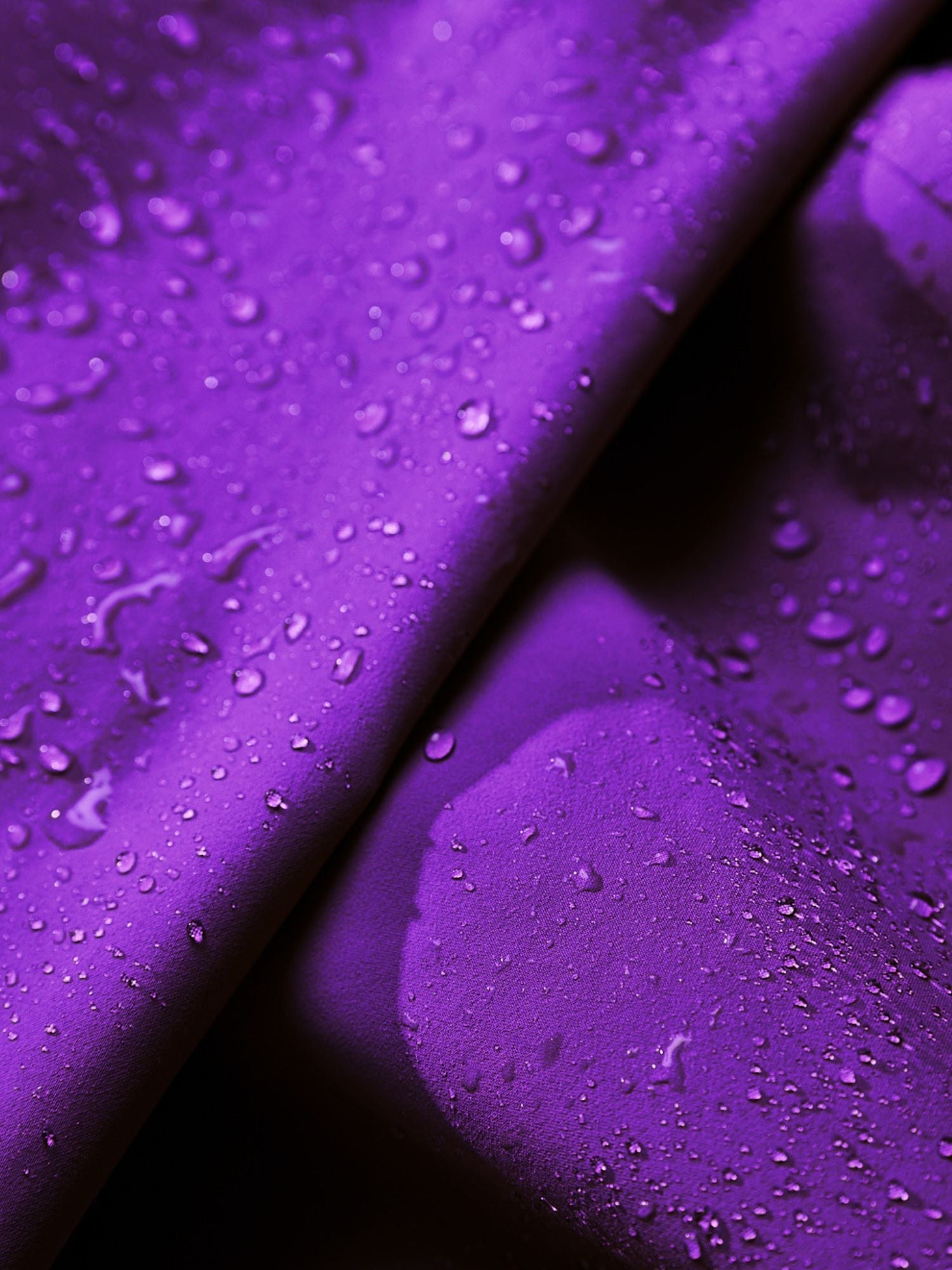
The outer layer can be completely windproof and waterproof through the use of a membrane, or it can be more breathable and flexible through softshell construction. Membrane garments provide weather protection, while softshell garments are often preferred for active movement.
Windproof and waterproof shell garments and softshell garments can also be used together, with shell garments added when additional weather protection is needed.
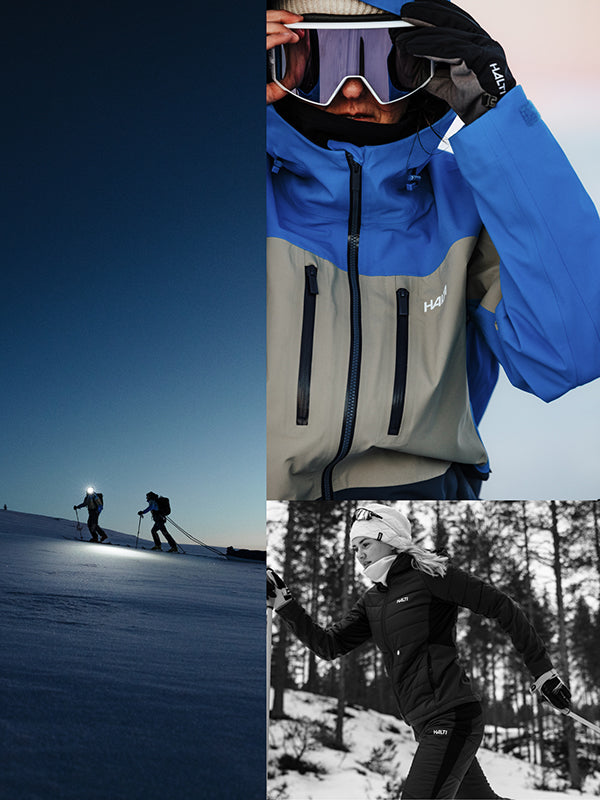
From our Ski Touring collection , you can find Rizle 3-layer shell garments and Adrenaline X-stretch softshell garments.
OPTIMAL DETAILS
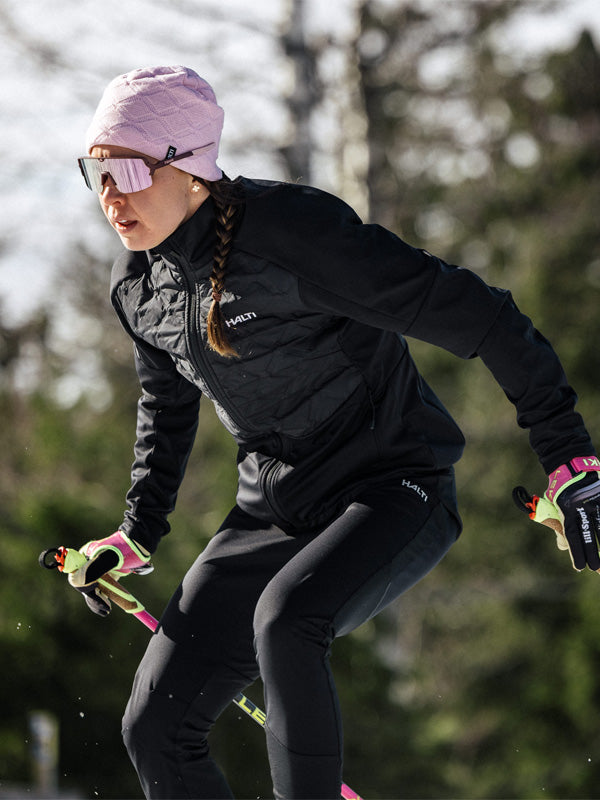
Halti's ski touring collection pays special attention to garment details to meet the needs of ski touring enthusiasts.
During uphill movement, ventilation becomes especially important. Therefore, many ski touring garments combine breathable materials with additional ventilation solutions.
Pocket placement has also been designed with backpack use in mind. Easy access to pockets while wearing a backpack is an important feature.
ACCESSORIES
As with other winter outdoor activities, accessories are an important part of ski touring equipment.
During climbs, when body temperature rises, lighter accessories such as headbands and gloves work well. During breaks and descents, warmer hats and mittens can provide additional comfort.
Why should you invest in equipment for ski touring?
The answer is simple: so that you can enjoy your excursion and focus on movement, the surroundings and the company of your fellow adventurers. Ski touring combines adventure, physical activity and the thrill of descending varied terrain.
Halti's ski touring products combine technical materials and functional design for a variety of winter activities.