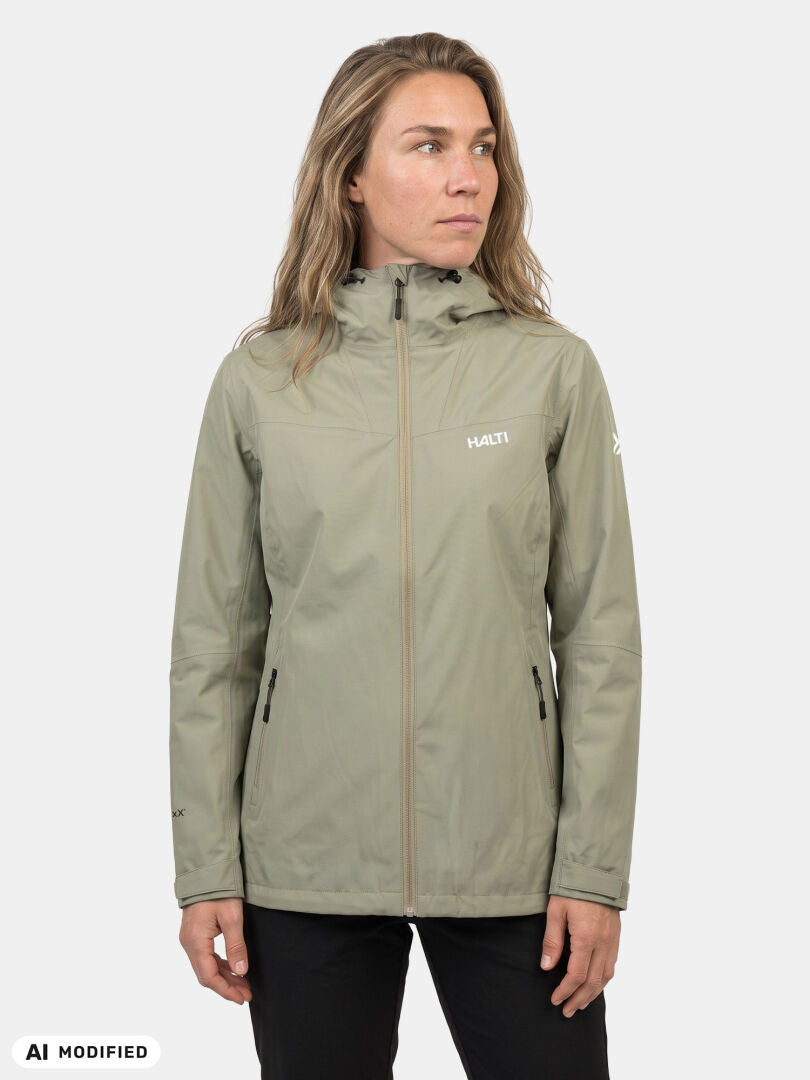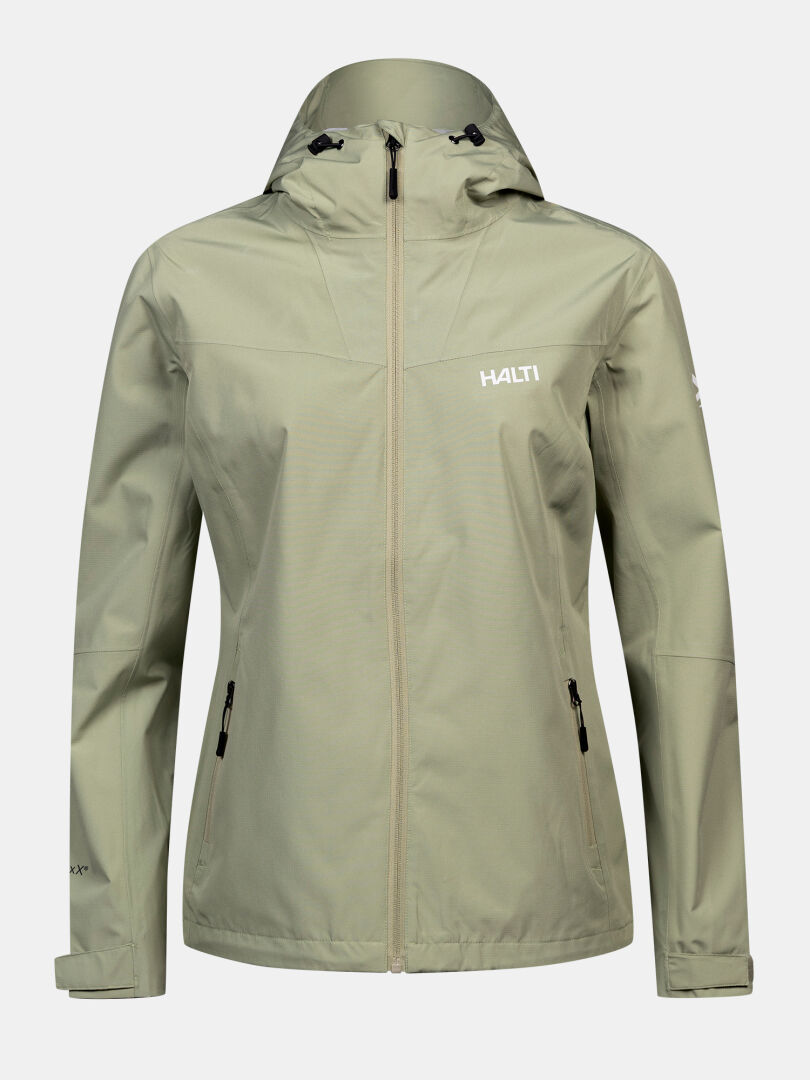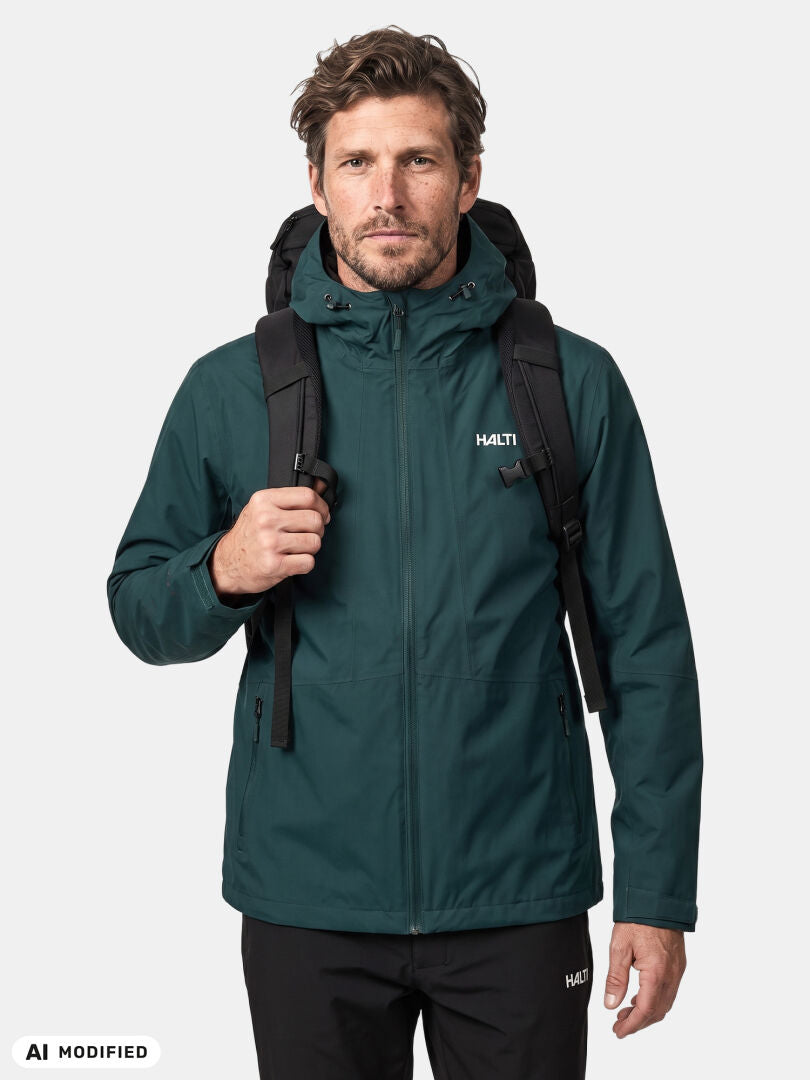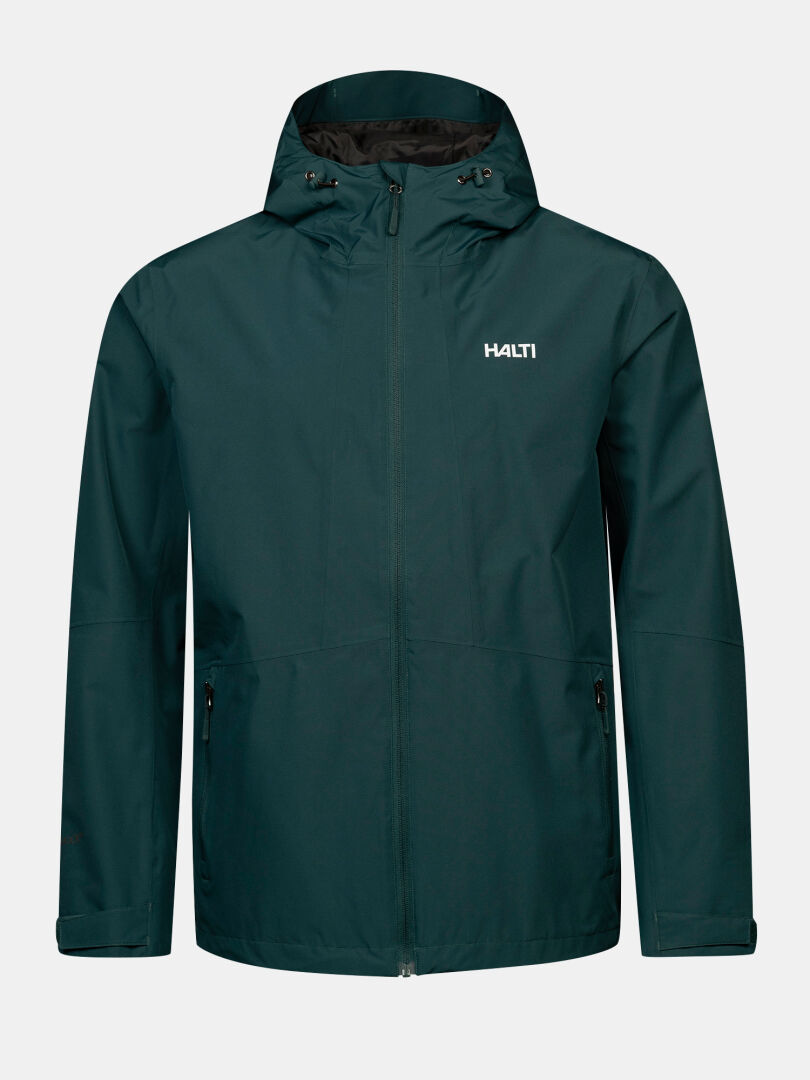
HALTI GUIDE

How to Choose a Shell Jacket

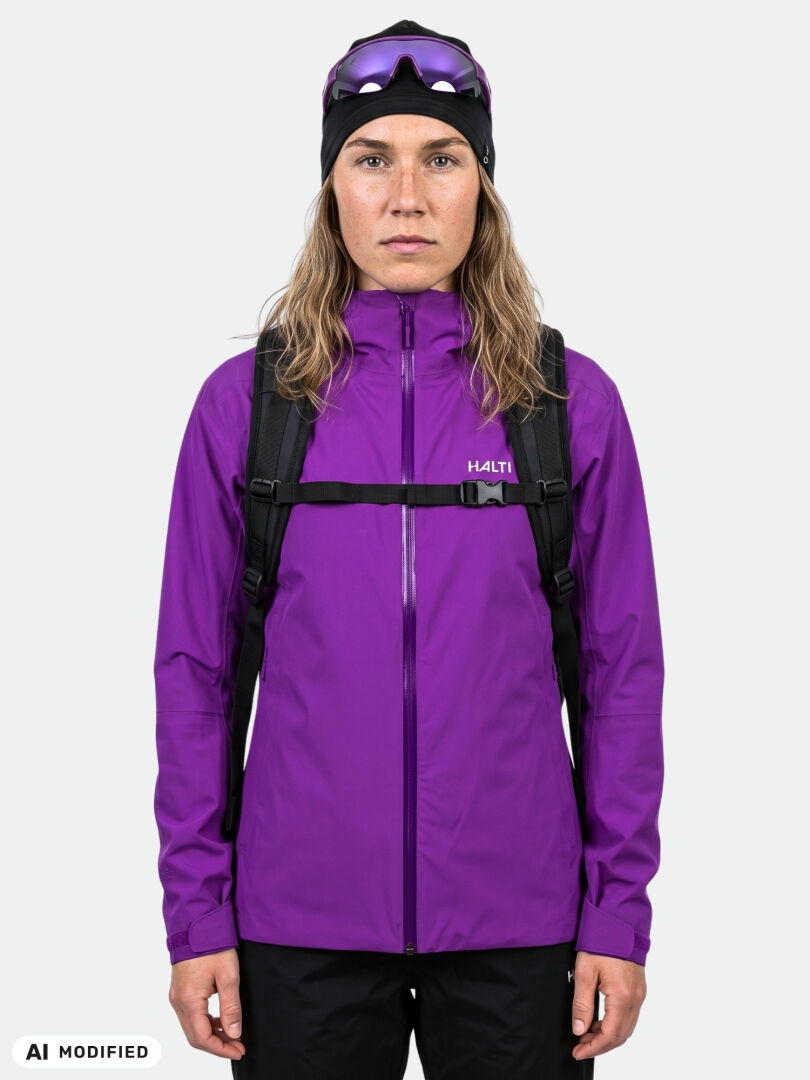
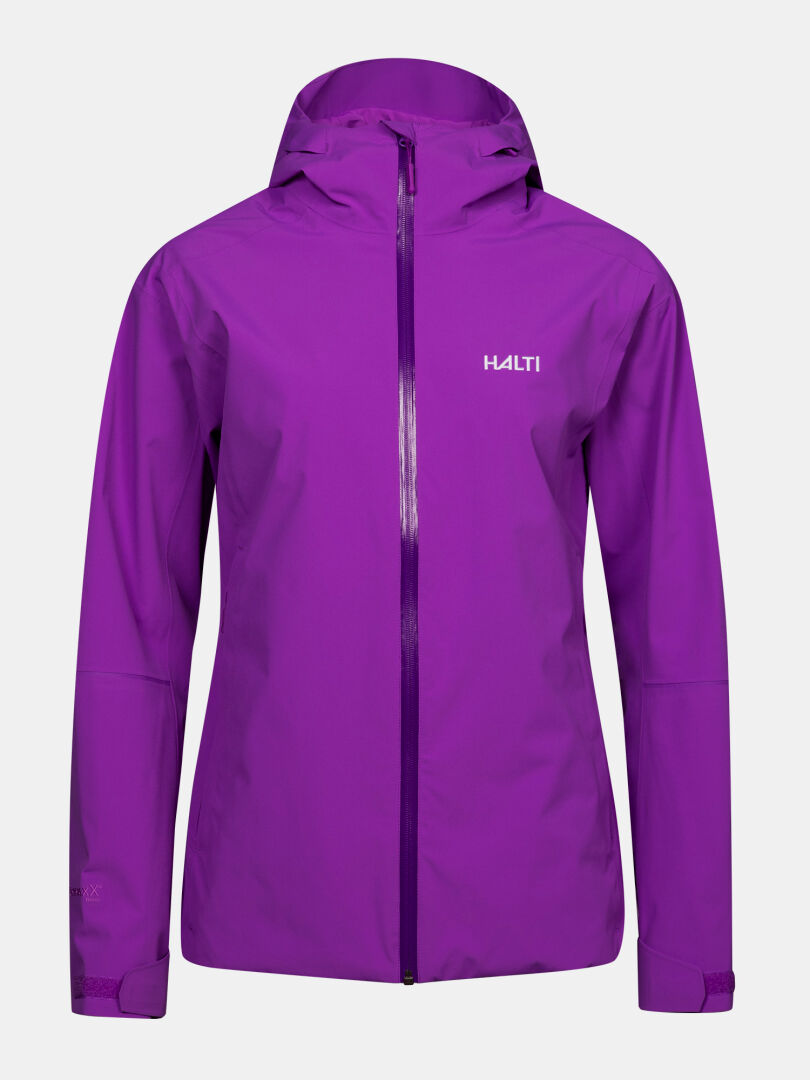
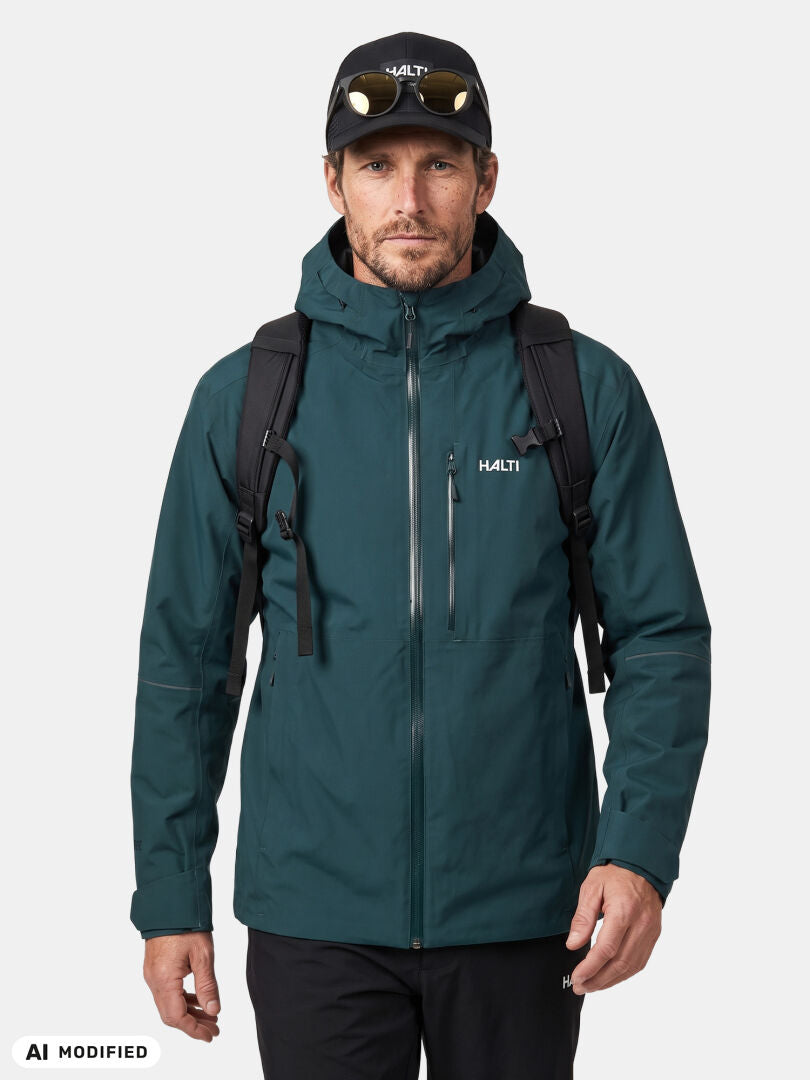
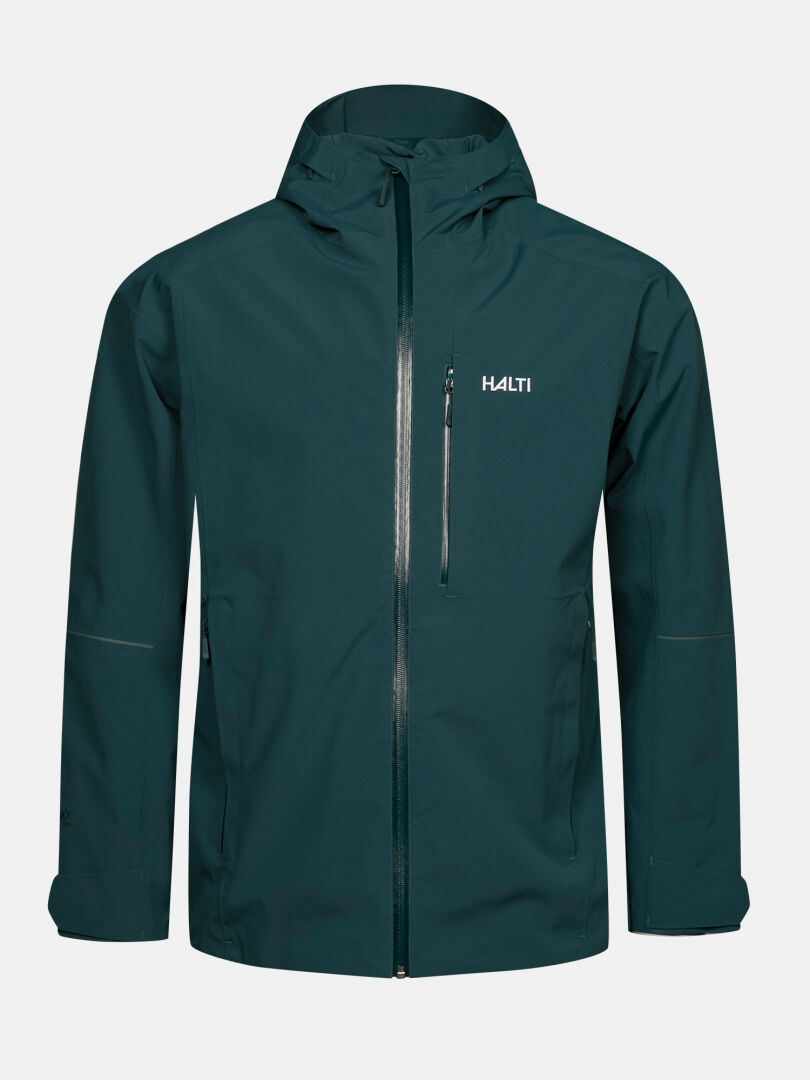
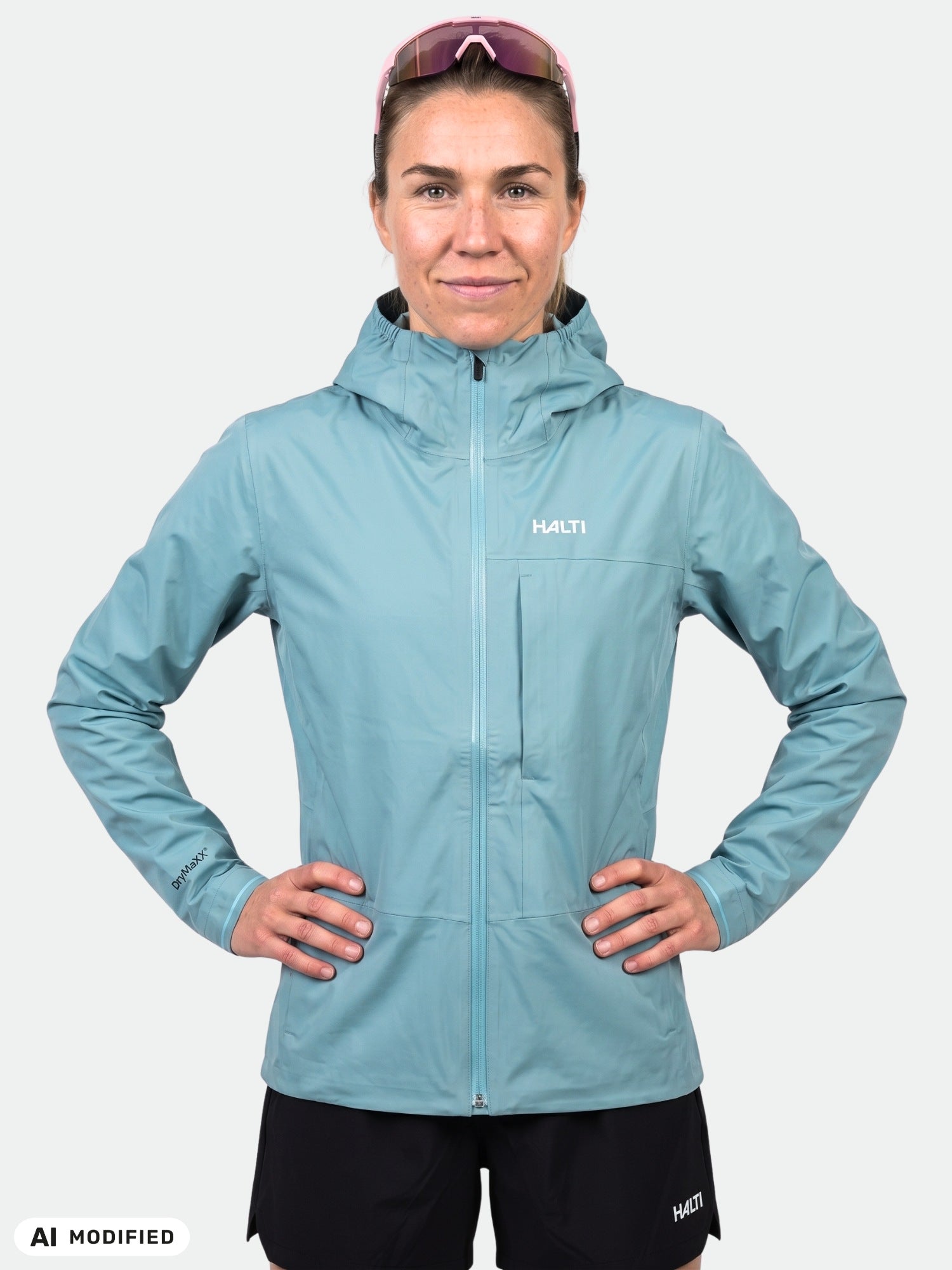
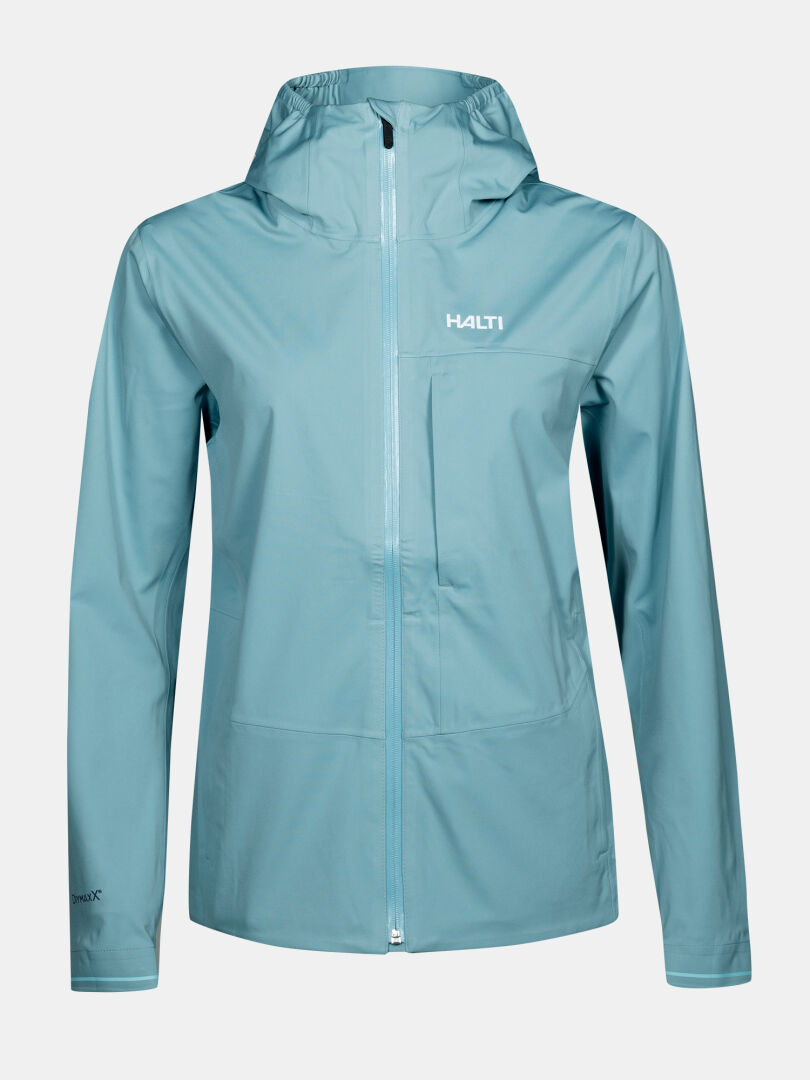
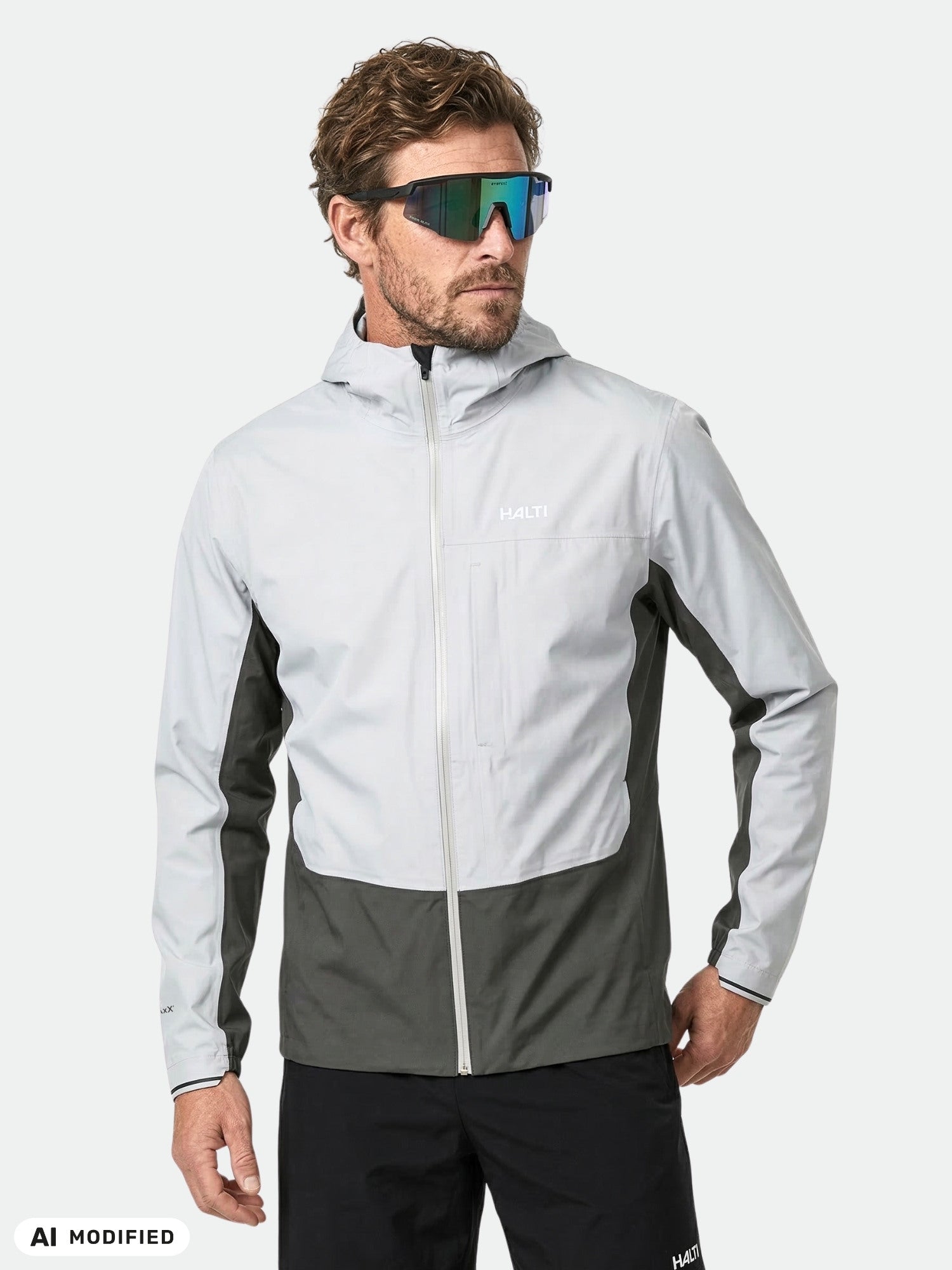
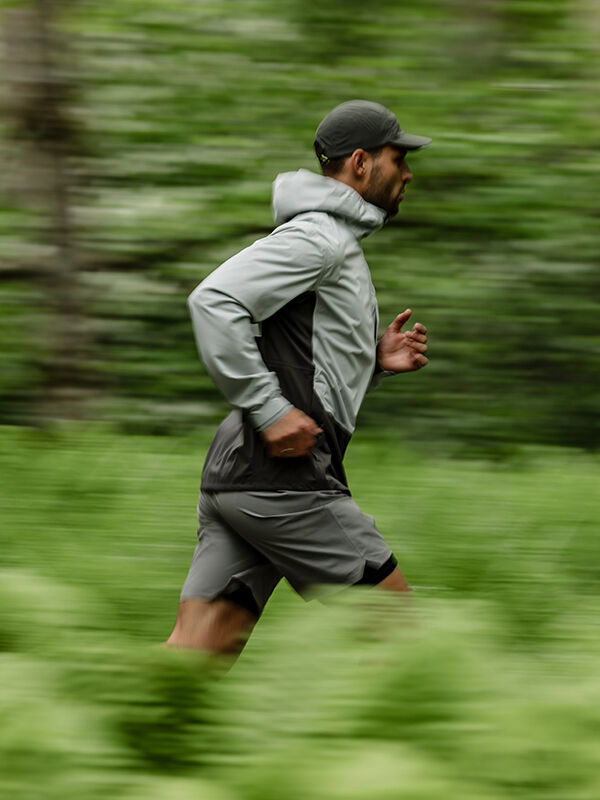
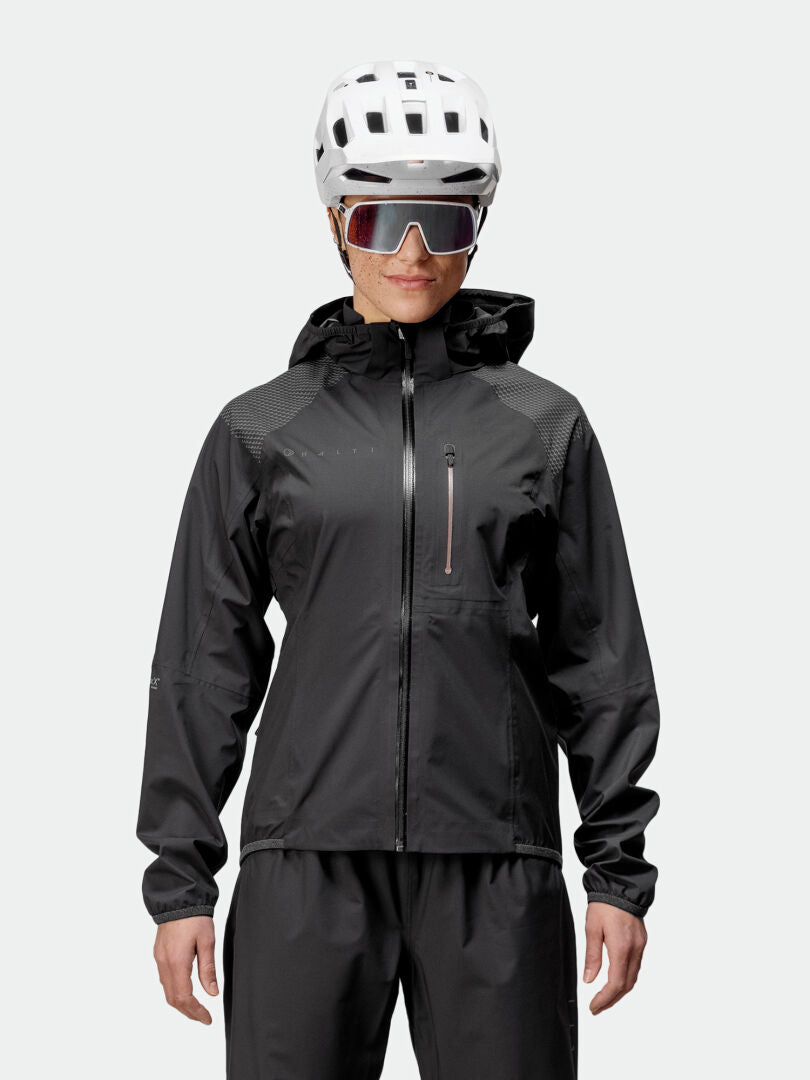
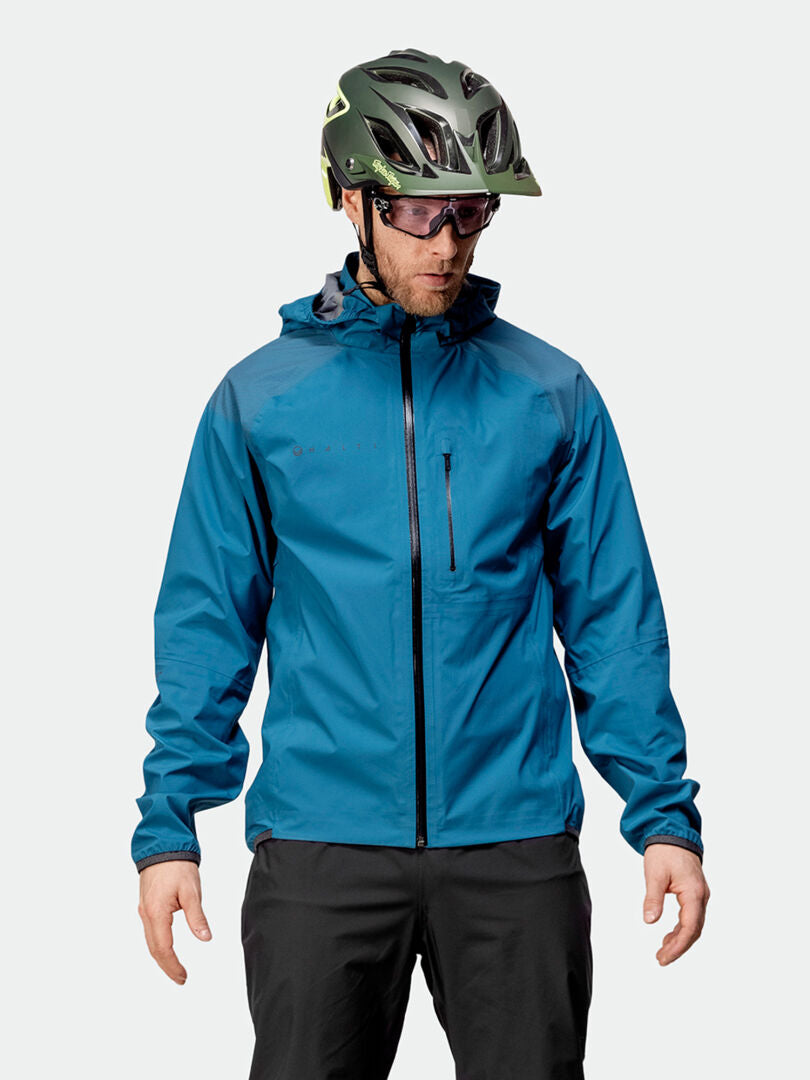
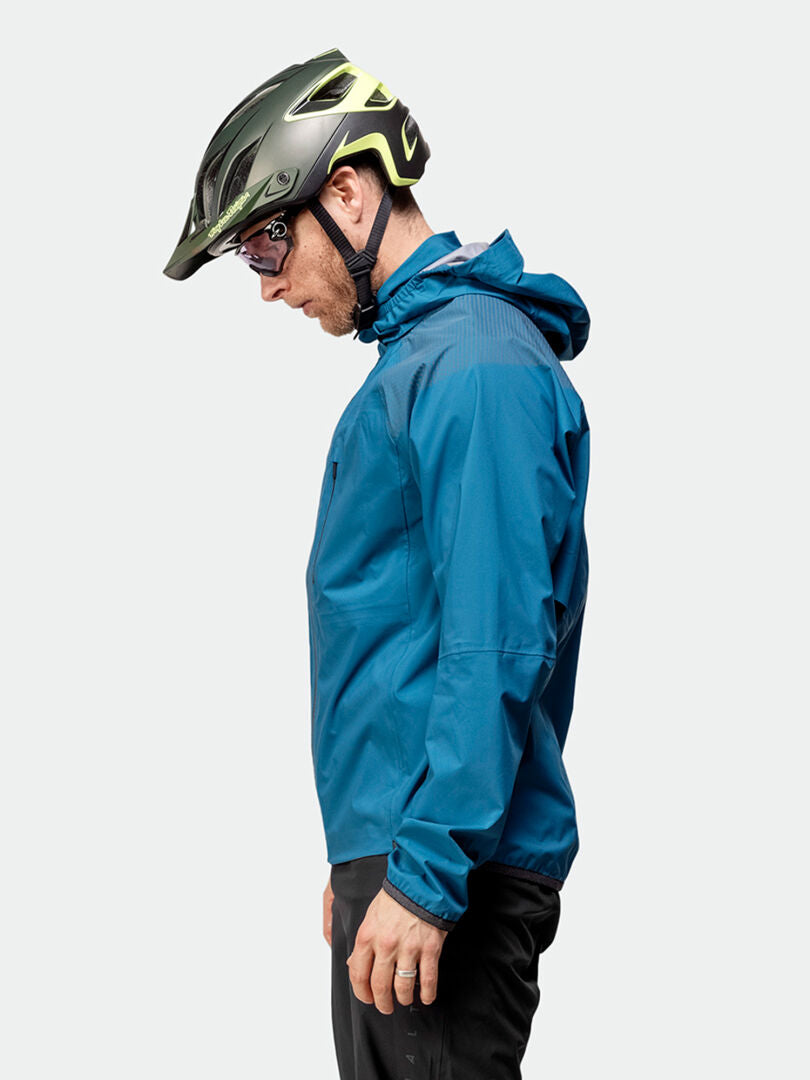
A shell jacket is the ultimate outer layer, designed to protect you from wind and rain all year round. The right choice depends on where your adventures take you.

Whether you're commuting in the city, trekking through the wilderness, or hitting the slopes, a quality shell keeps the elements out. Halti's shell jackets are powered by our waterproof, windproof, and breathable DrymaxX® technology.

Read our guide to understand the different constructions and find the perfect balance of weather protection, comfort, and durability for your specific outdoor needs.

THE FOUNDATION

Powered by DrymaxX® technology.

Halti shell jackets rely on two tiers of weather protection to keep you moving comfortably, no matter what the sky throws at you. Want to learn more about the technology behind our weather protection? Read more about DrymaxX® on our DrymaxX® Technology Page.

DrymaxX®

The versatile choice for everyday outdoor life.

Provides highly reliable protection for daily outdoor pursuits, active adventures, and general winter sports.

These shells are designed to strike the perfect balance for most users, delivering solid waterproof and breathable performance ranging from 5,000mm up to 15,000mm.

DrymaxX® Nano

The ultimate shield for extreme conditions.
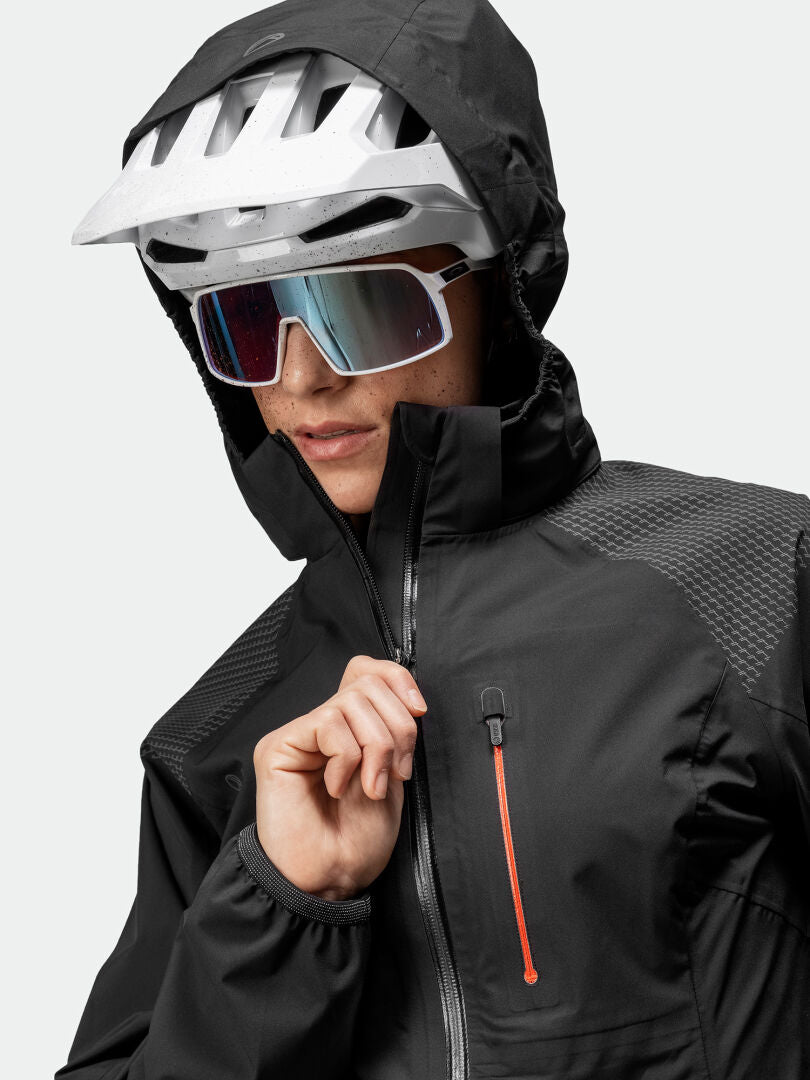
Engineered for the most demanding environments and high-intensity activities where compromise is not an option.

Shell jackets featuring DrymaxX® Nano boast a minimum of 20,000mm waterproofness and exceptional breathability, typically found in our top-tier alpine and trekking gear.

FINDING YOUR LEVEL

Match the jacket to your activity.

Waterproofness (mm) keeps the rain out, while breathability (g/m²/24h) lets your sweat escape. If you are doing high-pulse activities like ski touring, or facing heavy downpours, you will need a shell with higher ratings.

Light & Casual

5,000 mm / 5,000 g/m²/24h

Great for dog walks, daily errands, and light drizzles in the city.

Active Outdoor

10,000 mm / 10,000 g/m²/24h

Perfect for weekend hikes, changing weather, and an active everyday lifestyle.

Performance

15,000 mm / 15,000 g/m²/24h

Ideal for long treks, resort skiing, and prolonged exposure to heavy rain.

Extreme

20,000 mm and above

Built for mountaineering, freeriding, and severe storms where maximum performance is critical.

JACKET CONSTRUCTIONS

Which shell structure is right for you?

Shell jackets are built using different layering techniques. A 3-layer jacket isn't universally "better"—it is simply built for different environments than a 2-layer jacket. Choose the structure that aligns with how you plan to use it.

2-layer construction

2-Layer Construction

The Everyday Shell.

The waterproof membrane is bonded to the outer fabric, with a separate, loose lining (mesh or fabric) on the inside for comfort.

Why choose this?

  • Softer drape and warmer feel
  • Very comfortable for daily wear
  • Highly versatile and durable

Best for

  • City commuting
  • Casual walks
  • Easy day hikes
2.5-layer construction

2.5-Layer Construction

The Packable Backup.

The membrane is bonded to the outer fabric, but instead of a full lining, a lightweight printed pattern protects the membrane from the inside.

Why choose this?

  • Ultra-lightweight
  • Highly packable
  • Excellent emergency weather layer

Best for

  • Fast-packing & running
  • Travel and backpacking
  • Summer showers
3-layer construction

3-Layer Construction

The Alpine Armor.

The outer fabric, the waterproof membrane, and the inner backer are fused together into one single, robust, and technical layer.

Why choose this?

  • Maximum durability
  • Superior breathability
  • Lightweight relative to performance

Best for

  • Technical trekking
  • Alpine skiing and freeriding
  • Harsh mountain environments

CARE INSTRUCTIONS

Make your shell last longer.

A clean shell jacket is a functioning shell jacket. Dirt and sweat can clog the membrane and drastically reduce breathability.

  • Wash your jacket regularly, strictly following the care label instructions.
  • Use a liquid detergent; avoid powder detergents and fabric softeners entirely.
  • If permitted by the care label, tumble dry on low heat to reactivate the factory water-repellent (DWR) finish.
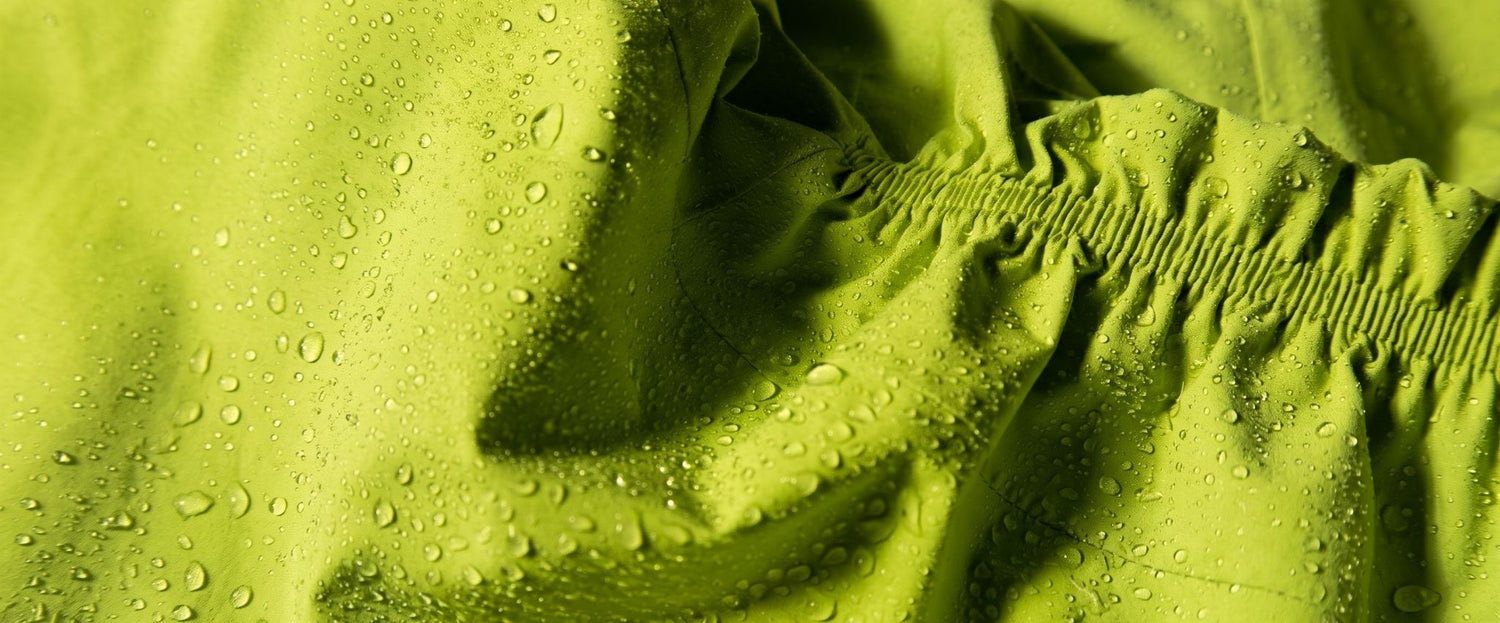
  • When water stops beading up and soaking into the surface instead, re-treat the jacket with a DWR wash-in or spray.

Proper care not only keeps you dry but significantly extends the lifespan of your gear. For detailed instructions, read our official Halti x Miele Wash & Care Guide for Shell Clothing.

FREQUENTLY ASKED QUESTIONS

Common questions about shell jackets.

Do I need to wear something under my shell jacket?

Yes! Shell jackets are non-insulated—they act purely as a shield against wind and rain. You should utilize the layering system: start with a moisture-wicking base layer, and add a warming midlayer (like fleece or lightweight down) depending on the temperature outside.

Can I wear a shell jacket in the winter?

Absolutely. Because they completely block wind and snow, shell jackets are excellent for winter use when paired with adequate insulating midlayers. Many skiers and mountaineers prefer uninsulated shells for better temperature regulation.

Why is my shell jacket feeling damp on the inside?

If water is no longer beading off the outside of the jacket, the outer fabric might be "wetting out." This blocks the membrane from breathing, causing your own sweat and condensation to build up inside. It simply means it's time to wash and re-proof your jacket with a DWR treatment.

HALTI SHELL JACKETS

Ready to face the elements?

Shop Shell Jackets