
Halti’s first garment was a parka – in honor of our 50th anniversary, the classic is reborn
Halti celebrates its 50-year journey by returning to its roots. To mark this milestone, we’ve dived into the archives and memories that have shaped Halti’s products over the decades. The anniversary collection opens with the Halti 1976 Parka – a modern interpretation of a classic where the traditions of outdoor culture meet the needs and materials of today. Welcome to the “50 Years of Product Stories” series, highlighting the insights and moments that have made Halti what it is today.

The 1970s and the rise of a new outdoor culture
Halti, founded in 1976, was born at a time when demand for outdoor clothing grew faster than supply. Finnish society was modernizing, leisure time increased, and sports reached a wider audience than ever before. Outdoor activities became a nationwide hobby: cross-country skiing, hiking, and trekking drew people into nature, and downhill skiing emerged as a new trend especially towards the end of the decade as ski resorts developed.
Spending time and exercising outdoors created a need for new types of clothing and equipment—products that could withstand weather, wear, and long journeys, while also looking good. The available anoraks, tracksuits and wool sweaters no longer met rising expectations. Materials were mostly natural fibers, and technical fabrics were only beginning to develop. As consumer habits changed, so did expectations: people were willing to invest in leisure gear as purchasing power and awareness grew. Products were expected to deliver better performance and durability.
Finland followed European trends more closely than before. Quality and practicality were still important, but design and brand identity increasingly influenced people’s choices. Bright colors, prints, and visible logos made their way into outdoor apparel. Clothing worn by sports heroes became desirable among everyday outdoor enthusiasts too.

“Since you are at the mercy of the wilderness on treks and expeditions, compromising on quality would be wrong.”
Better products for outdoor enthusiasts
The business started almost from scratch, but with a strong vision and deep understanding of what outdoor users needed. Halti’s founder, Juhani Hyökyvaara, was frustrated that Finland lacked lightweight, durable, and reliably dry hiking clothing and equipment. This sparked the idea of creating a company that would do things differently.
The first Halti products were presented in 1977. The collection included backpacks, sleeping bags, sleeping pads, and hiking outfits. Some items were sourced ready-made from England, while others were designed and manufactured from scratch. From the start, it was clear that products would be made from the highest-quality materials possible and designed where they were actually used.“Since you are at the mercy of the wilderness on treks and expeditions, compromising on quality would be wrong.”
Halti set ambitious standards for quality. Customers were promised full value for their purchase, along with a one-year product and material warranty. The company underscored its commitment to “listening, learning, and transforming insight into products,” and expedition teams and product testers soon became essential to its development work. Every product was to be proven in real conditions — in the very environments and situations it was created for.

“A parka is one of the cornerstones of clothing — a bit like a T-shirt or jeans. It never goes out of style, even as trends change.”
Halti’s first garment was a parka
Alongside hiking equipment, Halti soon began designing outdoor clothing to complement it, and the first apparel pieces were a parka jacket and parka pants. Halti’s first designer, Irmeli “Imppu” Lähde, remembers the atmosphere of the early years well: “A parka is one of the cornerstones of clothing — a bit like a T-shirt or jeans. It never goes out of style, even as trends change.” Imppu was hired shortly after the company was founded to create Halti’s distinctive look for garments, which at that time were produced in about 3,000 pieces per year.
She describes having significant creative freedom, and inspiration was sought with an open mind from many sources — even at the Winter Olympics, where the team studied sports fashion. In the 1970s, advances in materials opened new possibilities for design: nylon, polyester, and early water-repellent finishes began to replace natural fibers, and Halti quickly adopted these innovations, sourcing technical fabrics from countries such as Sweden and Switzerland.
According to Imppu, the work was intense and inspiring. The small team consisted of a product manager, a skilled pattern maker, and a seamstress who produced the samples. Designers often took part in sales situations as well, because feedback was crucial: “If the customer doesn’t like it, it won’t sell — and then your work hasn’t succeeded.”
Digital tools enter the design process
In Halti’s early years, all sketches were drawn by hand and coloring was done with markers or pencils, making revisions laborious. When Imppu heard about a new computer program that could be used to draw product images, she immediately knew Halti needed it. Attending the course and acquiring the new equipment transformed the workflow: no longer did everything need to be redrawn from scratch.
CAD technology accelerated the design process, reduced errors, and made communication with customers and manufacturers easier. Although Imppu initially had no computer experience, she quickly adopted the new tool and even contributed to the development of the software. The Cadvision program, tailored specifically to Halti’s needs, became the foundation for modern product design at the company.
Irmeli Lähde worked as Halti’s designer until 1990, and her influence remains visible in many of the brand’s early products and its formative design language.
A modern version of the parka opens the anniversary collection
Halti’s 50-year journey is celebrated with a product that returns to the company’s roots. The Halti 1976 Parka draws its inspiration from Halti’s early years but is designed to meet today’s needs. The theme of the design process was “together,” and all Halti designers took part in its development. The result is a timeless, classic jacket built around repairability, longevity, and thoughtful details.
Material choices favor recycled raw materials wherever possible. The jacket’s insulation is recycled down, treated with an innovation developed by the Finnish start-up Untuvia. Recycled Untuvia® down is cleaned with carbon dioxide, which removes impurities without the harsh mechanical treatment of traditional washing. The method is gentler and better preserves the structure and thermal performance of the down.
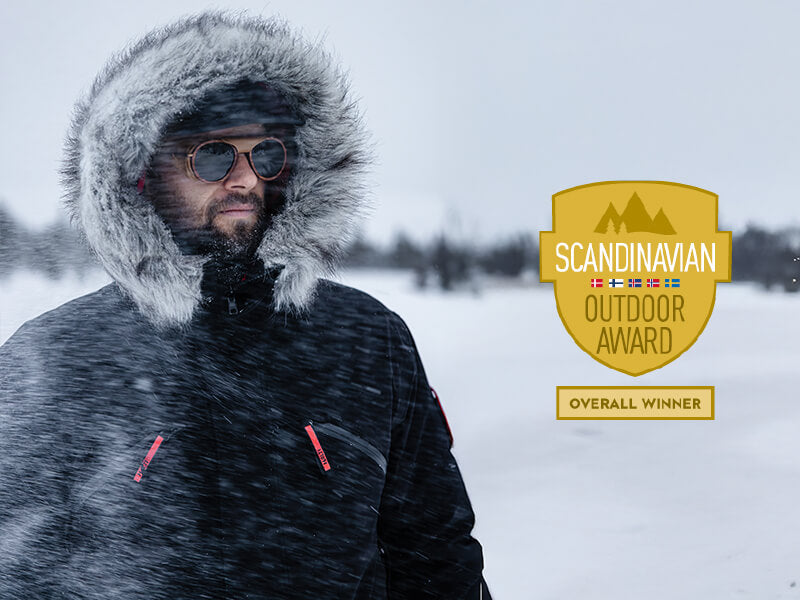
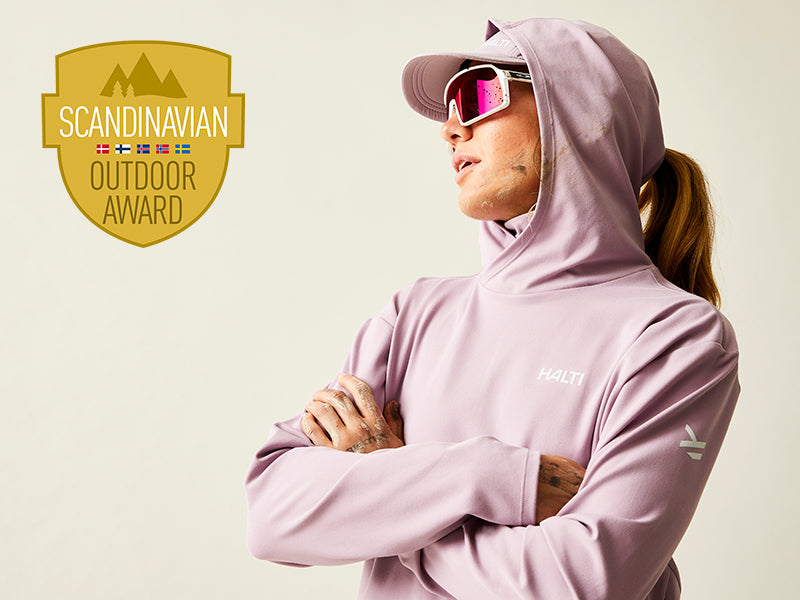
In early December, at the ISPO 2026 fair held in Munich, the Halti 1976 Parka was awarded the prestigious Scandinavian Outdoor Award. The jury particularly praised the holistic sustainability approach, visible both in the material choices and in the design aimed at long-term use.
From Survival Garment to Trusted Outdoor Jacket – The Parka’s Journey from the Arctic to Today
The story of the parka begins far in the north, within Arctic communities where the purpose of the jacket was simple yet vital: to keep its wearer alive. The original parka was a piece of survival clothing, created by the Caribou Inuit and made from seal or reindeer hide to withstand extreme conditions. The word “parka” comes from the Nenets language and refers to an animal-hide garment designed to protect its wearer from cold, wind, and rain.
In the 20th century, the parka moved from Arctic use into military service. During the Korean War, the U.S. Army’s M-51 and N-3B models established the foundation for the modern parka: the hood, spacious pockets, and fishtail back that offered protection and freedom of movement. These features remain familiar today, even though the jacket has evolved many times over the decades.
From Street Culture Icon to Technical Outdoor Wear
In the 1960s, the parka found its way into British street culture. Style-conscious Mod youth adopted the military fishtail parka as a protective layer over their narrow-cut suits as they sped through the city night on their Vespas, moving from one jazz club to another. The jacket was practical, long, and relaxed — and therefore perfect. The parka became iconic, a symbol of pop culture.
Today, the parka has in many ways returned to its origins as a trusted piece of outdoor gear. Its long cut, warm hood, and compatibility with layering make it a functional choice for the North’s unpredictable conditions. The army’s cotton, forest-green fabrics have been replaced by waterproof and windproof technical materials, and heavy linings by lightweight yet warm insulation. Details have become more functional than ever: more adjustability, better mobility, protective structures. At the same time, the parka has retained its clean, timeless appearance, making it just as natural a choice for the bustle of the city as for a windy fell.
A Northern Essential Passed from One Generation to the Next
A parka is much more than a warm winter coat. It is part of a long continuum of outdoor culture — a rare garment that has remained useful as its role has evolved. Born for survival in Arctic conditions, it fits just as naturally today on hikes, in the city, while spending time outdoors with children, or on the daily commute. A trusted northern garment that is carried from one generation to the next.