The Olympic Games are the global catwalk of sports fashion
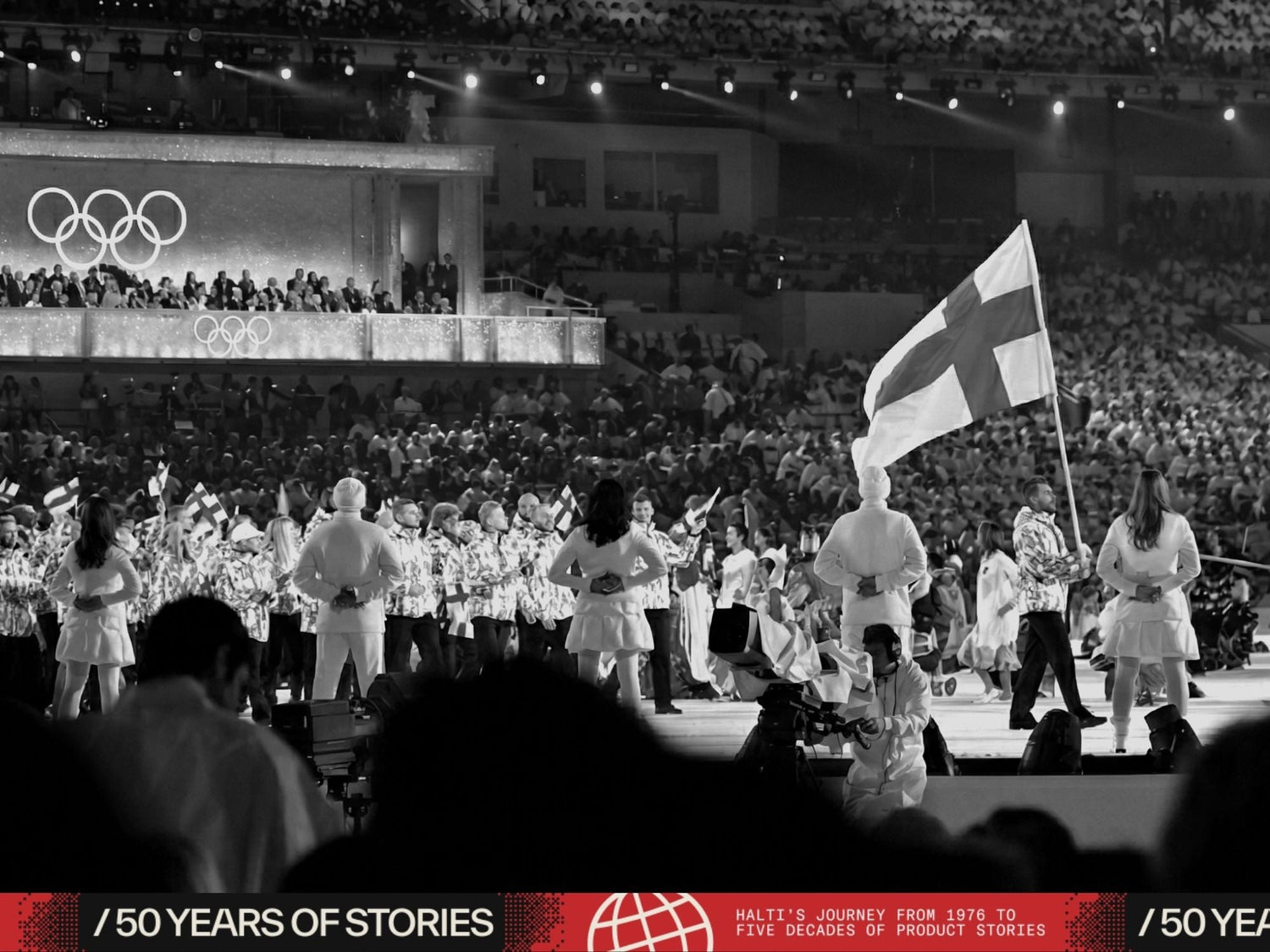
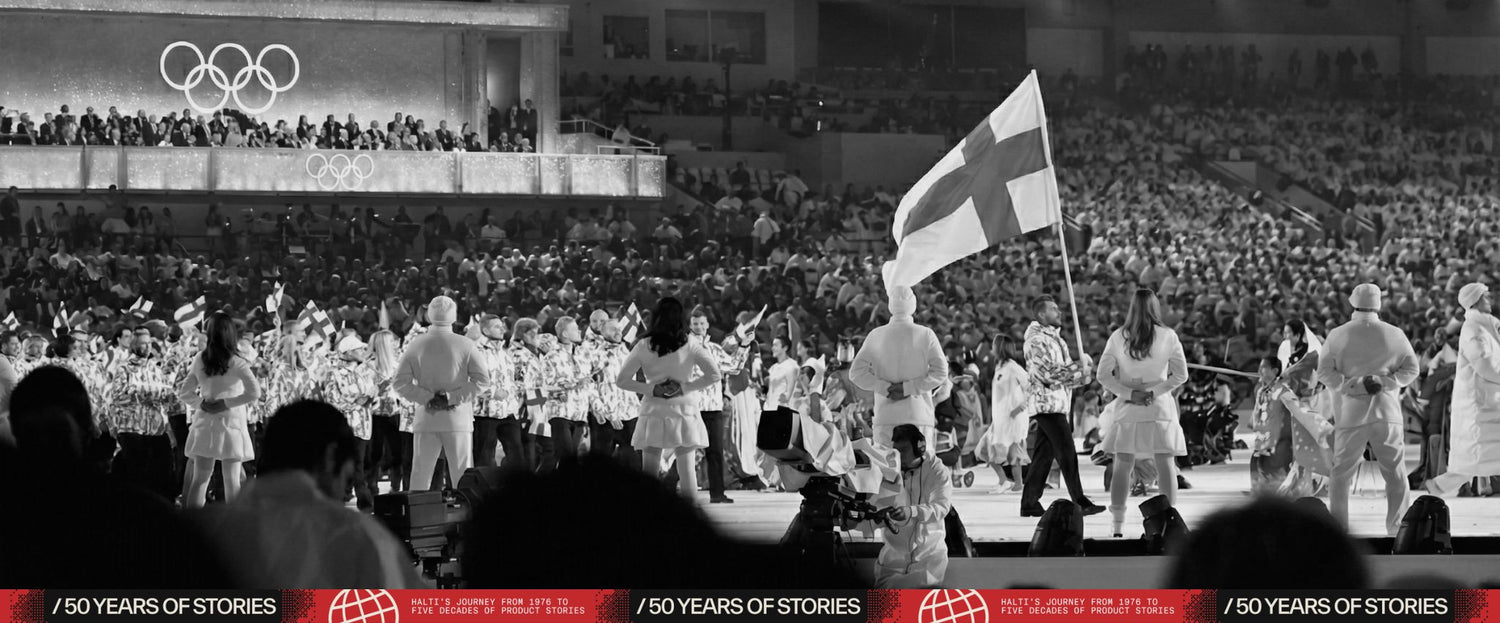
The Olympic flame has gone out in Milan–Cortina. Once again, the world’s finest athletes have measured themselves against one another and written new chapters in sporting history, as the Olympic flag waved as a symbol of friendship between nations. The teams marching ceremoniously into the arenas in their official uniforms reminded us that the Olympic Games are more than a competition — they are a stage where national identities and cultures meet.
Today, fashion steps onto that stage as well.
A Brazilian-flag-lined down cape. Samba rhythms erupting into the air at the moment of Olympic gold. In the collaboration between Norwegian-Brazilian skier Lucas Braathen and Moncler, sport and luxury fashion converge — and the images circle the globe in an instant.
Every two years, the Olympic Games become the world’s most watched catwalk. Billions of eyes turn toward arenas where not only performances and heroic feats are showcased, but also new products and technologies. When the Games are hosted consecutively in fashion powerhouses such as France and Italy, the world’s most prestigious fashion houses step forward — and the connection between sport and luxury grows stronger than ever.
Olympic uniforms are not merely ceremonial outfits. They crystallize national traditions and the latest product expertise, and they set the direction of design far beyond the arenas. Iconic uniforms become highly desirable among consumers.
Athletes have become cultural influencers. Social media multiplies visibility, and the Games offer individuals and brands a unique opportunity to step into the spotlight. What is created on the Olympic stage does not remain there.
From practicality to the pinnacle of fashion
In the early 20th century, Olympic apparel was still simple, movement-focused sportswear. Gradually, the colors of flags and symbolic elements began to appear.
In the 1980s, color intensified and uniforms increasingly reflected broader cultural identities. Global sports giants such as Nike and Adidas began claiming the arenas and introducing more technical products to the market. Athletes and the Games themselves also became platforms for social messaging.
The 1984 Los Angeles Summer Games ultimately marked the beginning of the modern, strongly branded era of sports fashion. Sponsorship became an integral part of the Olympics.
The 2000s: Luxury meets sport
In the 2000s, the world’s most renowned fashion houses began designing team uniforms. Collaborations such as Ralph Lauren for Team USA and Stella McCartney with Adidas for Team Great Britain elevated official uniforms into the realm of international fashion. Olympic dressing became a fusion of storytelling and the global rise of powerhouse brands.
At the Paris 2024 Olympic Games, the French luxury conglomerate LVMH served as the main partner. The world’s most valuable fashion brands were visibly embedded in the Games’ identity, underscoring French creativity and craftsmanship.
Milan, known as a fashion capital, reinforced the role of design. Giorgio Armani’s EA7 collection, responsible for outfitting Team Italy, celebrated the “Made in Italy” brand message. Once again, the Games demonstrated how technical sportswear, style, and national identity can form a cohesive whole.
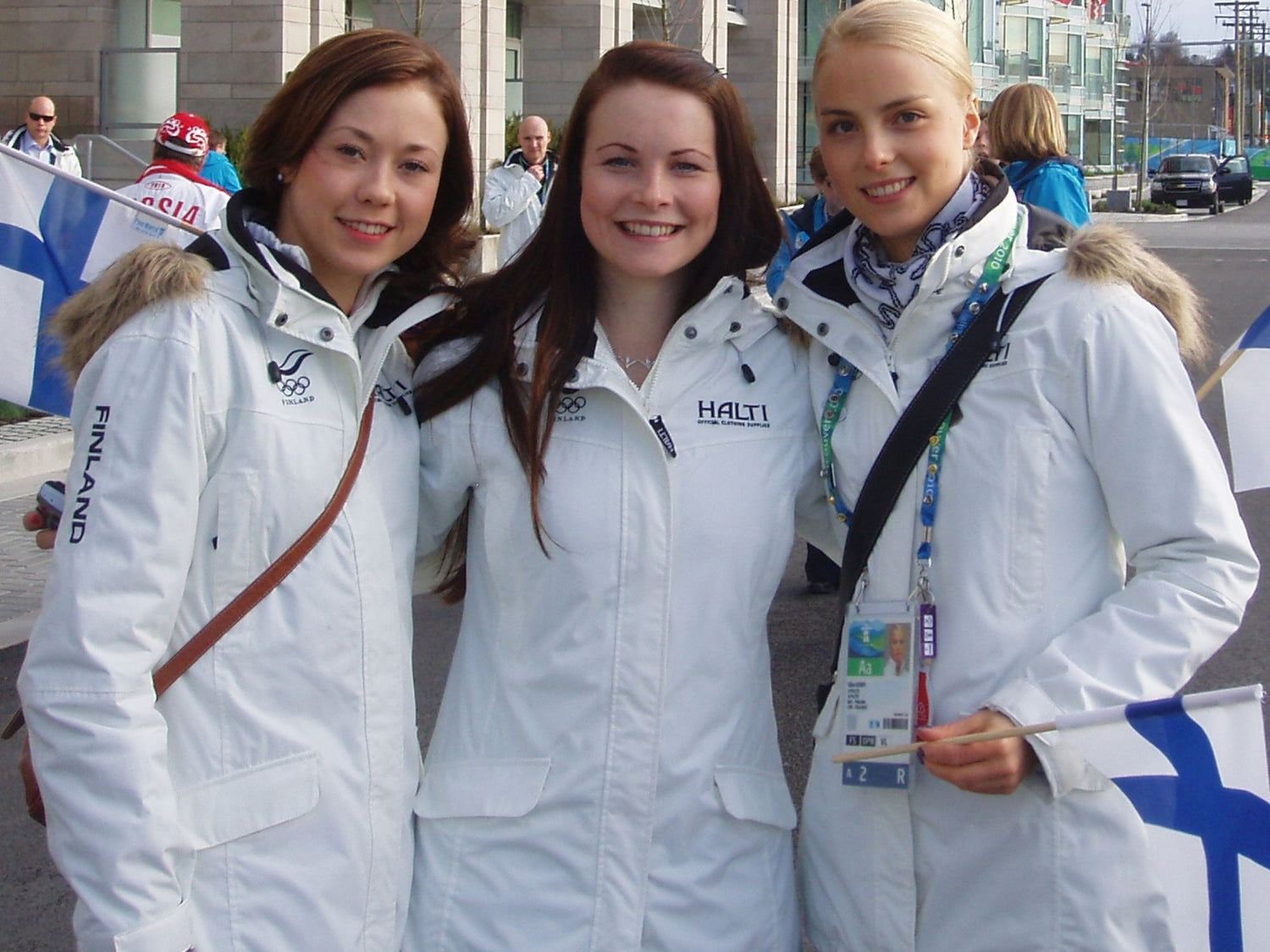
Halti as official outfitter of Team Finland — From Vancouver to London
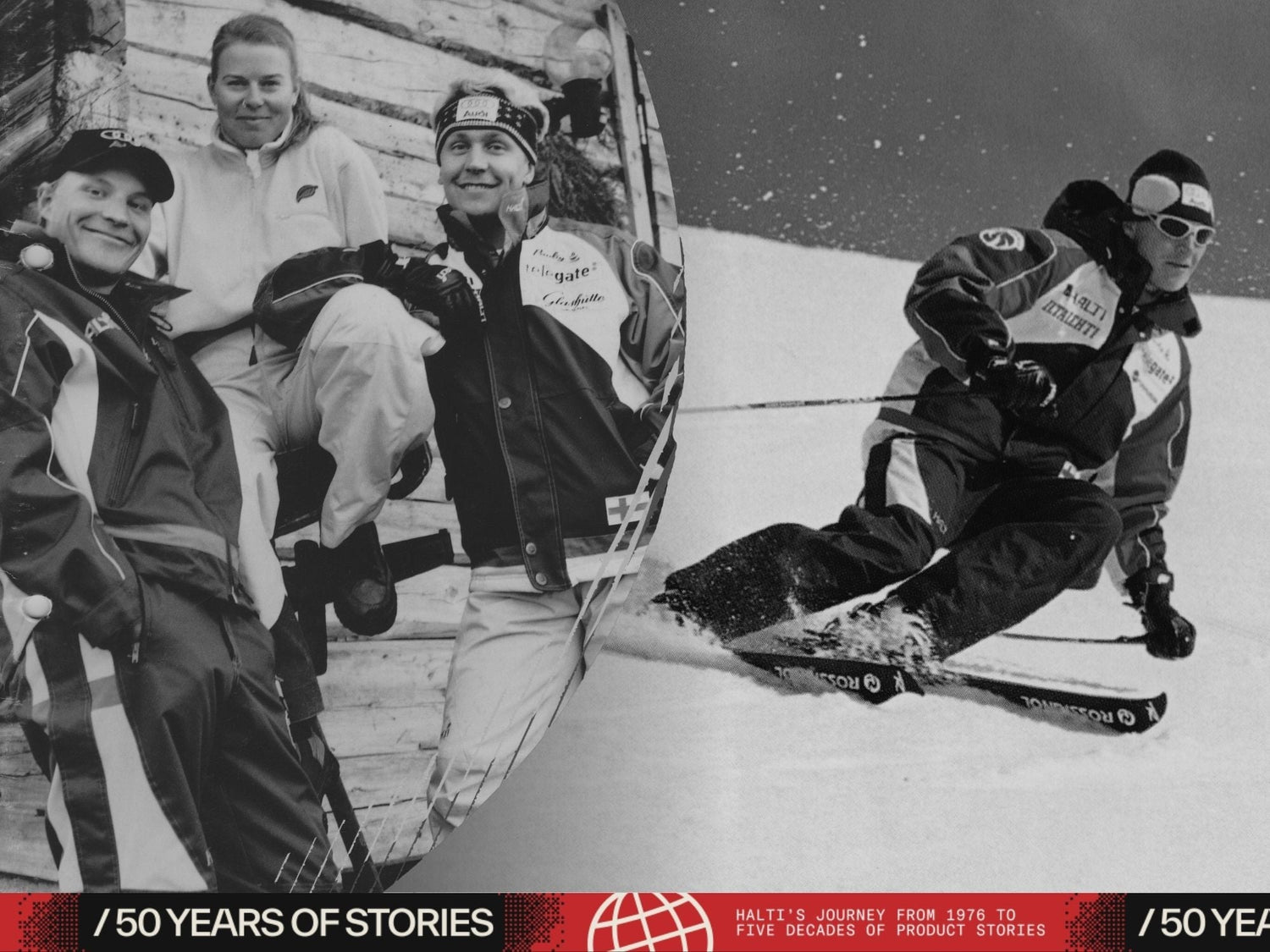
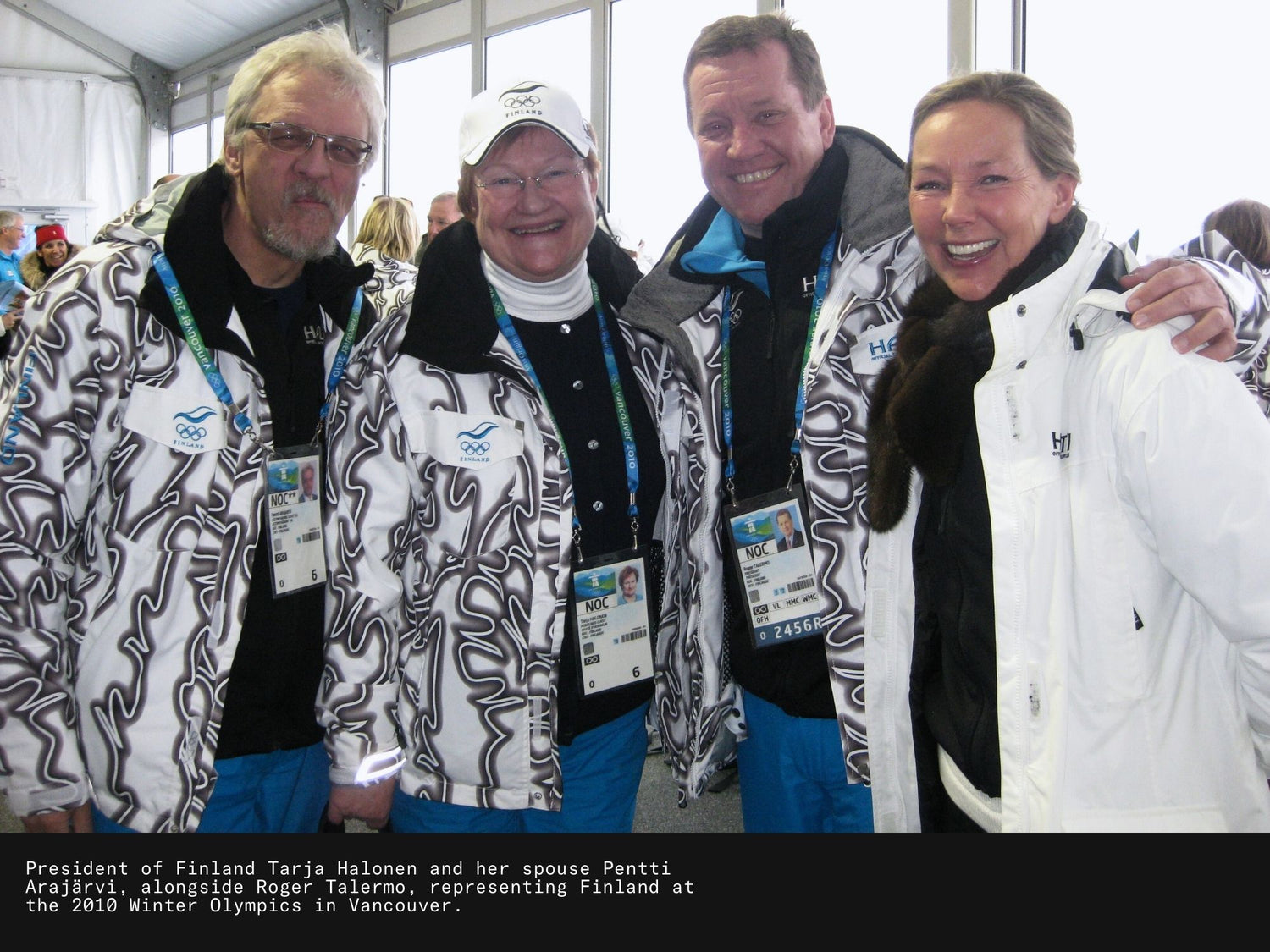
Since the early 2000s, Halti has purposefully expanded its product range into increasingly demanding technical sports apparel. Partnerships with the Finnish Alpine Ski Team, the Nordic Combined and Ski Jumping national teams, and sponsorships of major international competitions naturally evolved into collaboration with the Finnish Olympic Committee. Halti served as the Official Outfitting Partner of Team Finland at the Vancouver 2010 Winter Games and the London 2012 Summer Olympics.
From the outset, the objective of the Olympic partnership was clear. Sponsorship aimed to provide athletes with the best possible equipment, while also reaching the entire sports-loving nation. In collaboration with the Intersport retail chain, Olympic collections were widely available to consumers during the Games themselves. As spectators followed Finnish performances from the stands and living rooms alike, the same blue-and-white official uniforms were available in stores. The national sporting celebration was not limited to cheering — anyone could wear the heroes’ apparel and feel like a small part of the Olympic team.
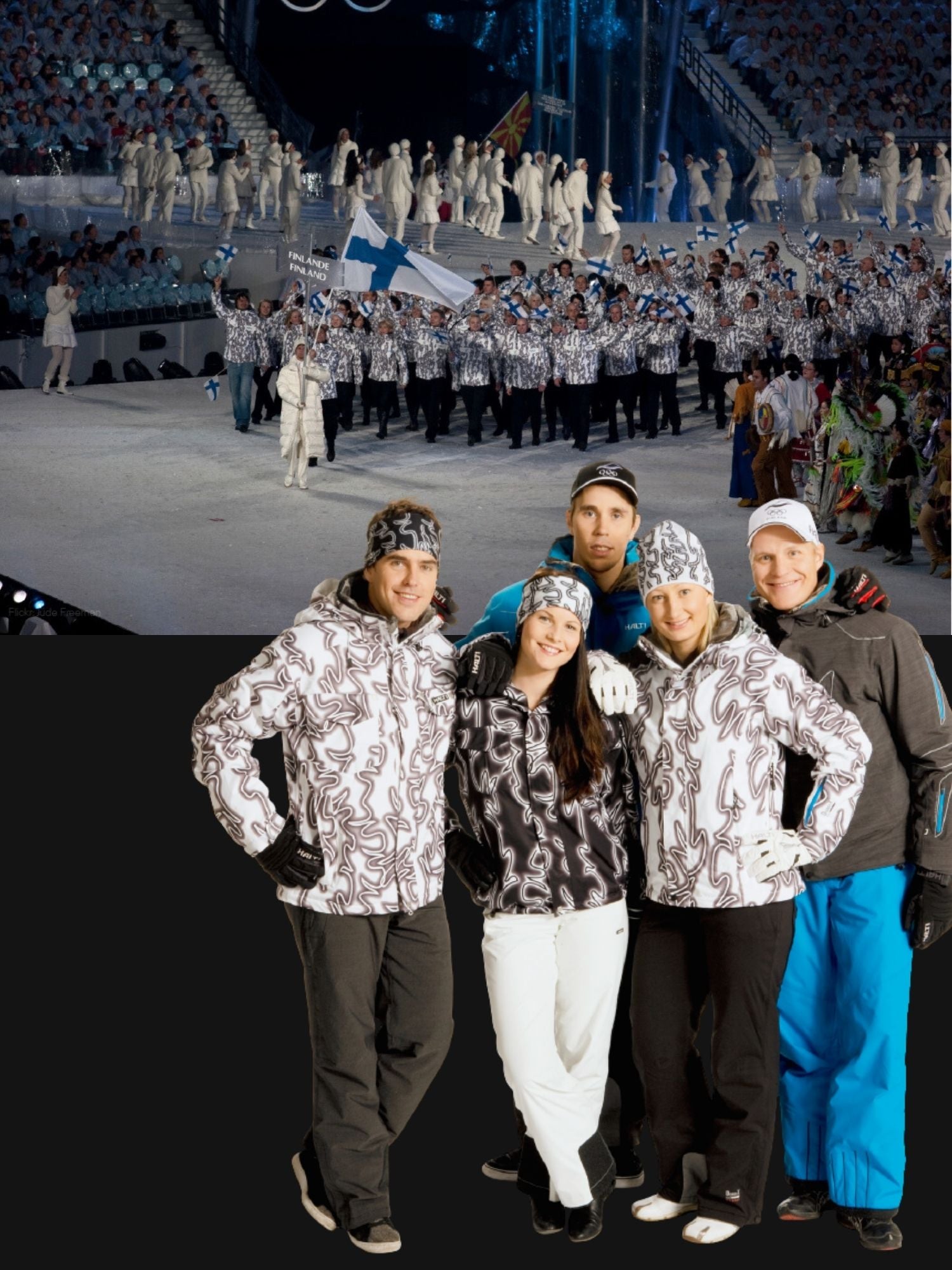
Vancouver 2010 – Fresh winter style on the world stage
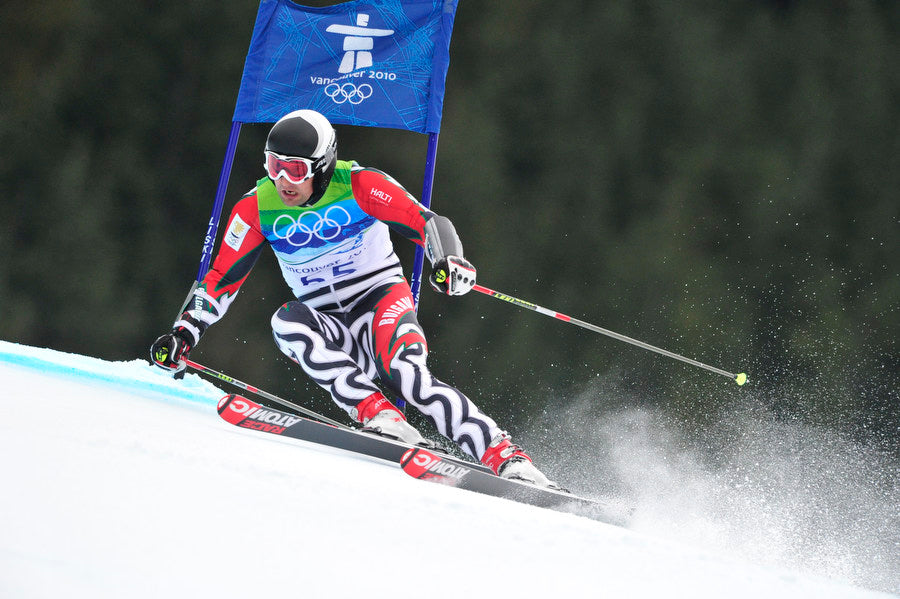
The Vancouver 2010 collection was designed in a blue-white-black palette inspired by the Finnish flag, crowned by a recurring flowing print pattern across the pieces. The collection was created by Halti’s long-time Head Designer Martti Kellokumpu, himself a former elite athlete and overall World Cup winner in mogul skiing in the 1986–87 season.
For Halti, deeply rooted in winter sports expertise, this was a meaningful project. The products were designed to meet demanding winter conditions, and the visual identity stood out internationally.
Finland competed in Vancouver with a team of 95 athletes. The goal was 12 medals, but the final tally was five. The result was a disappointment — yet the team received recognition where medals are rarely awarded. Halti’s official uniforms gained international attention and ranked third in an unofficial opening ceremony uniform comparison. American talk show host Rachel Meadow named the Finnish outfits among the most stylish at the ceremony, with only Andorra and Bermuda ranking ahead of Kellokumpu’s designs. While sporting success fell short of expectations, Finnish design and its fresh aesthetic made a lasting impression.
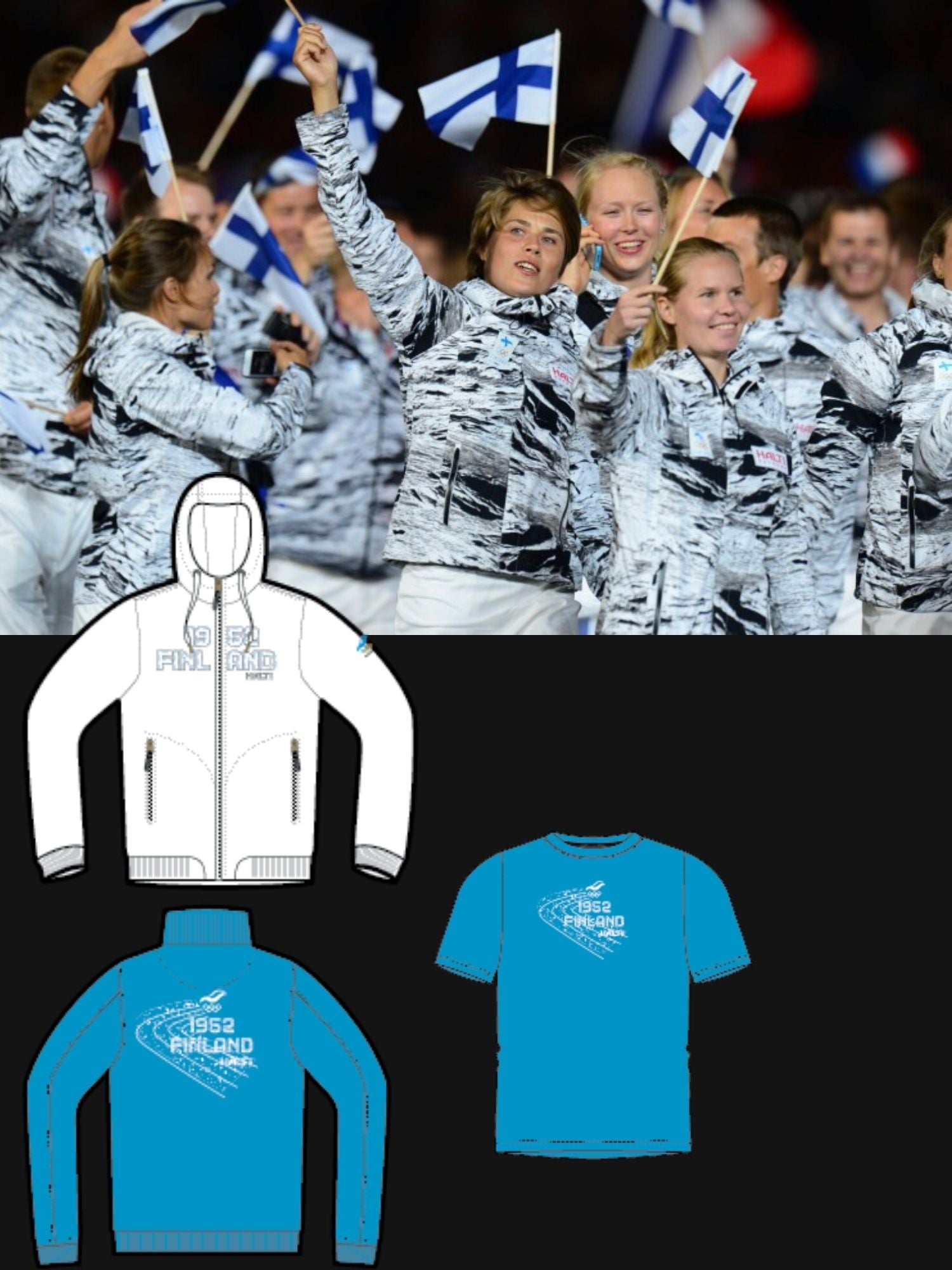
London 2012 – A fresh look for the urban Games
For the London Summer Olympics, Halti created a lighter, more urban expression suited to Games held in a pulsing global metropolis. The collection, again designed by Kellokumpu and his team, featured a print inspired by the shapes and natural rhythm of the Archipelago Sea’s shoreline rocks. The blue-and-white ensemble was light, technical, and modern. It reinforced national identity by subtly bringing Finnish nature into the team’s visual expression.
Finland competed in London with a team of 56 athletes. The medal count was modest at three: silver in the women’s sailing Match Race team event (Silja Lehtinen, Silja Kanerva, Mikaela Wulff), and bronze medals in sailing and weightlifting.
Set in a unique and atmospherically vibrant urban environment, the Games offered international visibility for the uniforms. The nature-inspired collection, seamlessly fitting into an urban setting, exemplified Halti’s ability to combine Finnish identity, functionality, and contemporary design.
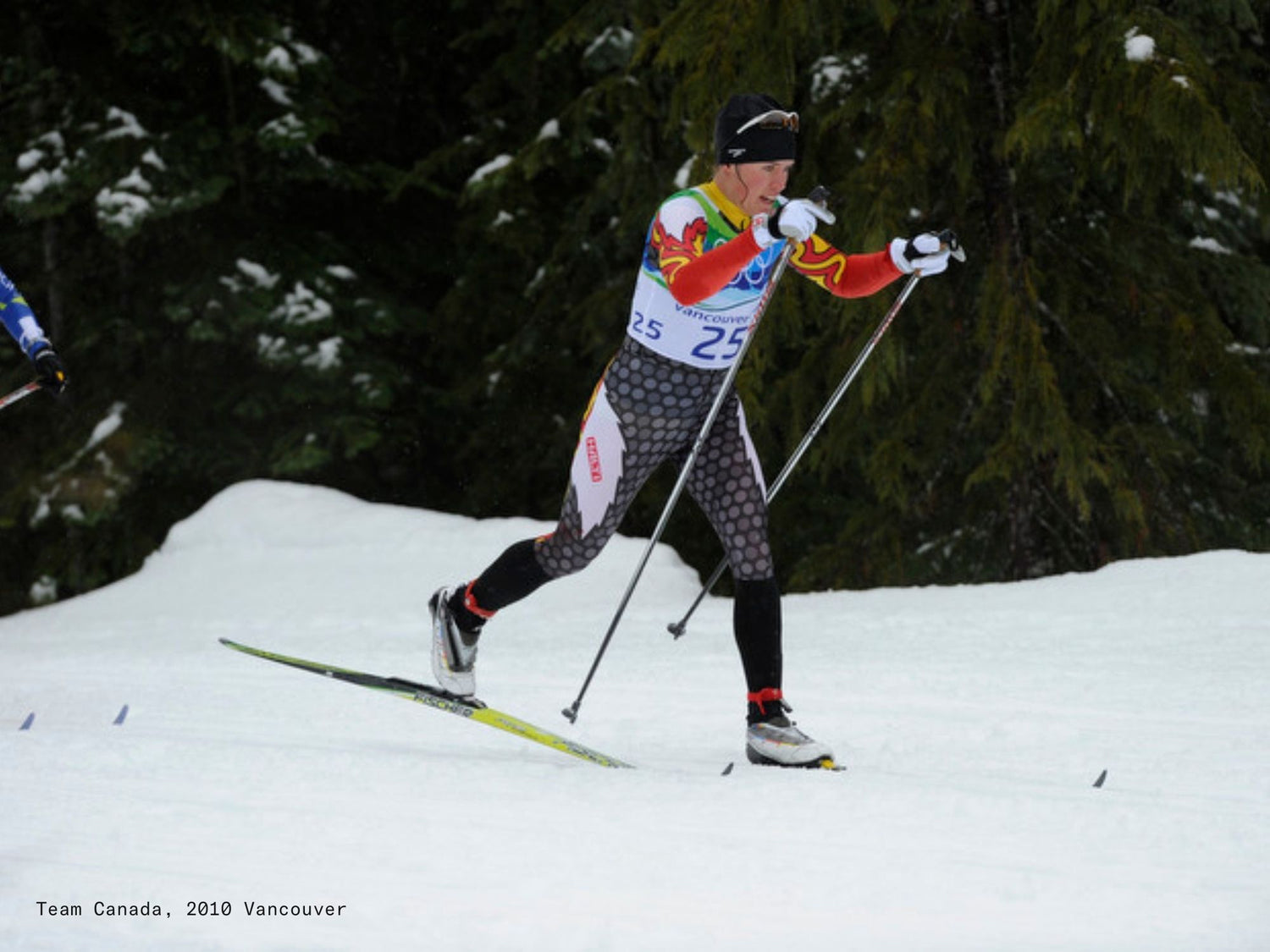
Halti colors on the slopes in Bormio
Although the Finnish Olympic Team’s official outfitter in Milan was the Finnish brand Luhta, Eddie Hallberg and the Finnish Alpine Ski Team were still seen competing in Halti colors on the slopes of Bormio. Halti is the official outfitter of the Finnish Alpine Team, and the use of highly technical performance apparel is permitted if the general outfitting partner does not produce such garments. In competition wear, discipline-specific expertise is respected.

Rule 40 protects Olympic Partners
The commercial framework of the Olympic Games is governed by the International Olympic Committee. Each nation’s Olympic Committee signs a four-year Olympic cycle outfitting agreement that defines the team’s official attire during the Games. Athletes appear in the common partner’s apparel during travel, official events, and medal ceremonies, even if their sport federations or national teams maintain long-term independent partnerships.
Brand and athlete visibility is regulated by Rule 40. Its purpose is to protect the exclusivity of the event’s official partners. In practice, during the Games Period — approximately three to four weeks — athletes’ personal sponsors may not reference the Olympic Games or leverage Olympic success in their marketing unless they are official event partners.
The regulation safeguards the funding and unified identity of the Olympic Games — but it also makes the Games Period an exceptionally quiet time for many of athletes’ own commercial partners.