The golden years of Finnish adventure sports and the birth of the Streetpack
In the late 1990s, a collaboration was formed that would have a lasting impact on both Finnish adventure sports and the development of technical outdoor gear. As Team Halti—later Team Nokia Adventure—began competing in the world’s toughest adventure races, they needed equipment that could withstand conditions where much other gear would fail.
For Halti, the partnership offered a unique opportunity to test products in extreme environments. For the team, it meant that equipment could be developed directly to meet their needs. The result was a range of solutions that influenced not only competitive use but also later consumer products, including the legendary Halti Streetpack backpack, whose roots lie in these very races.
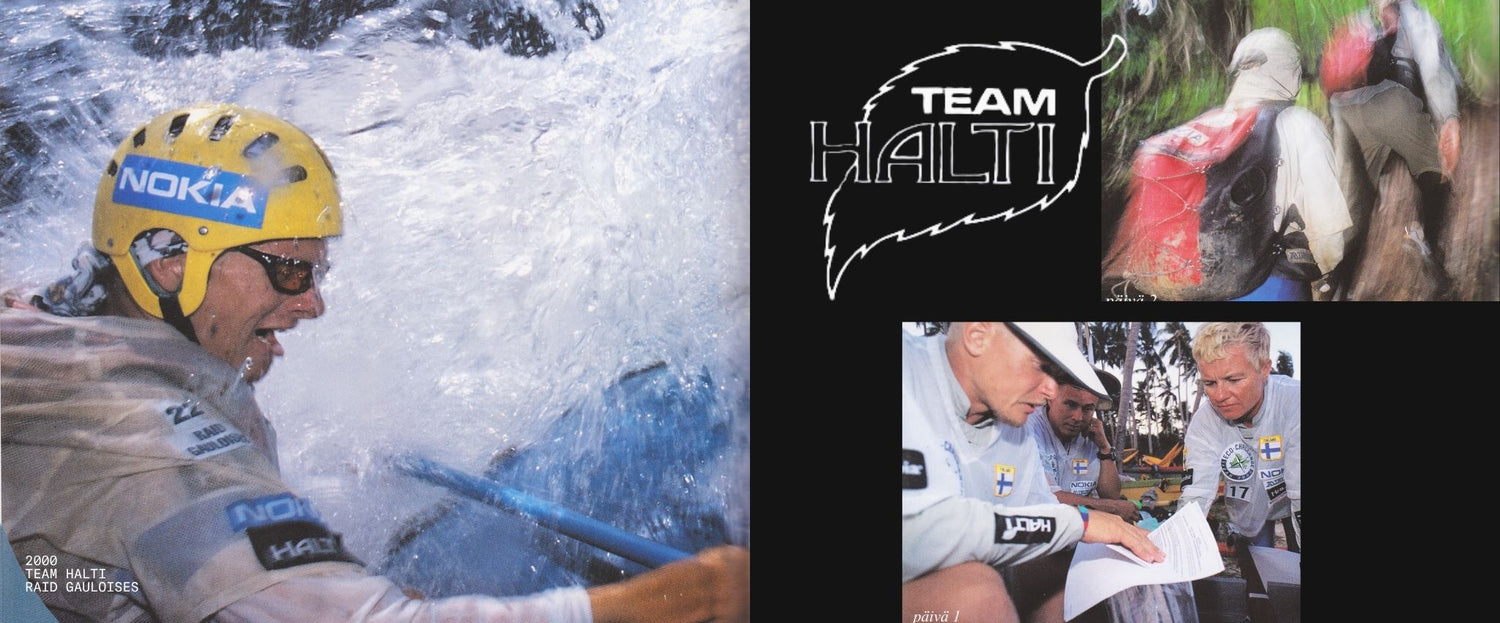
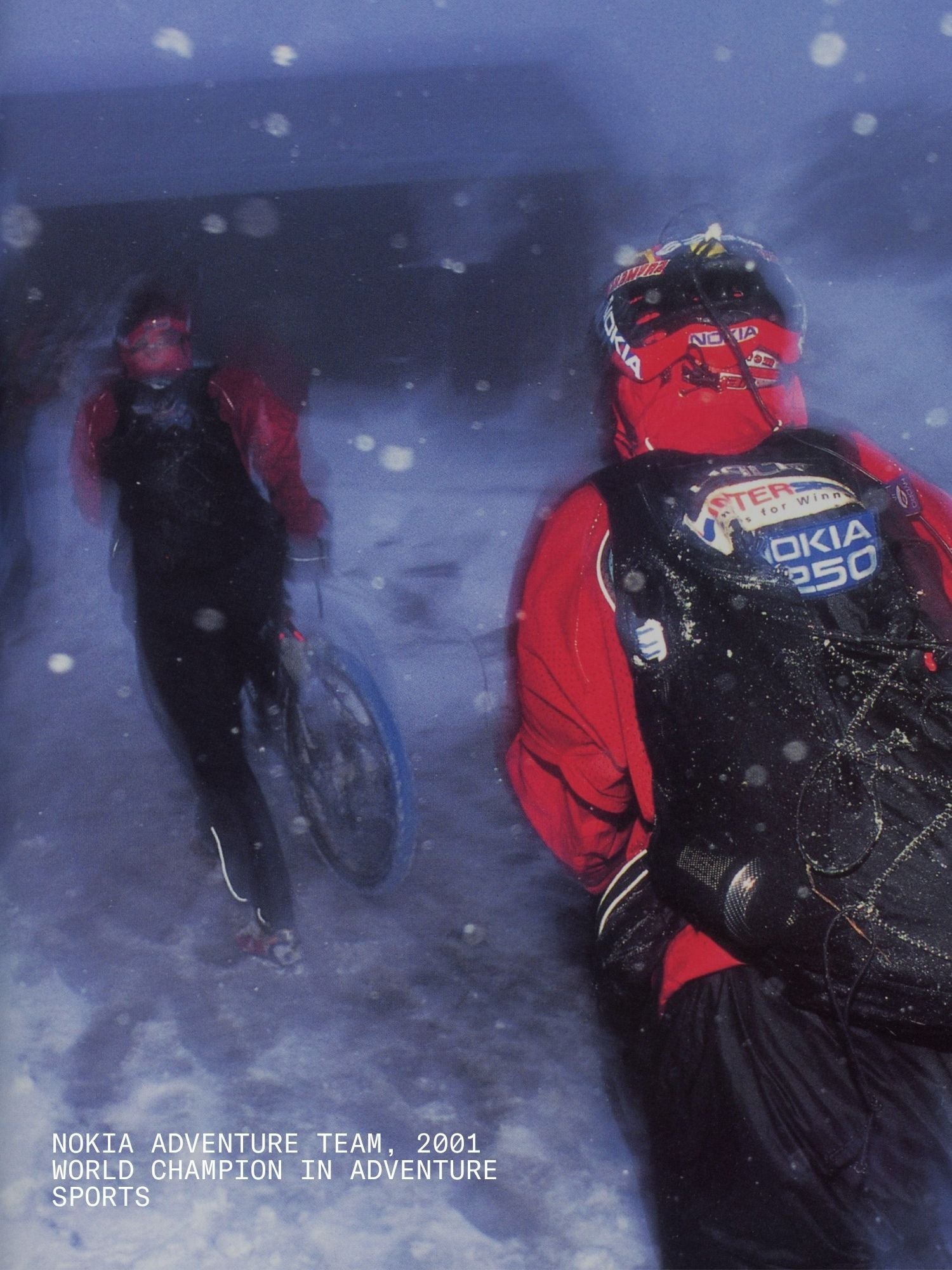
Team Halti competed from 1998 to 2004 and became one of the most successful adventure racing teams in the world during that time. The team won several international competitions and claimed, among other achievements, the first world championship title in adventure racing in 2001.
The birth of a Finnish adventure racing team
The story of Team Halti began with a group of Finnish endurance athletes with strong backgrounds in orienteering and other outdoor disciplines. Key members of the team included Petri Forsman, Terho Lahtinen, Mika Hirvinen, Pasi Ikonen, Iiro Kakko, Elina Mäki-Rautila, Jukka Pinola, Mervi Väisänen, and Mervi Anttila.
Petri Forsman became interested in adventure racing in 1997 after reading an article about Finnish athlete Tom Packalen competing in the legendary Eco Challenge. The idea of a multi-discipline endurance race was compelling.
Soon after, Forsman received a call from Terho Lahtinen.
“Terho called and asked if I’d be interested in joining. That’s really how it started—we put a team together and went to try it out,” Forsman recalls.
The first competitions were still relatively short stage races. For example, a race held in China in 1998 lasted four days, with each day involving about five hours of racing before returning to a hotel to sleep. However, both the sport and the team developed quickly, and soon multi-day races were introduced, demanding extreme physical and mental endurance from participants.
What is adventure racing?
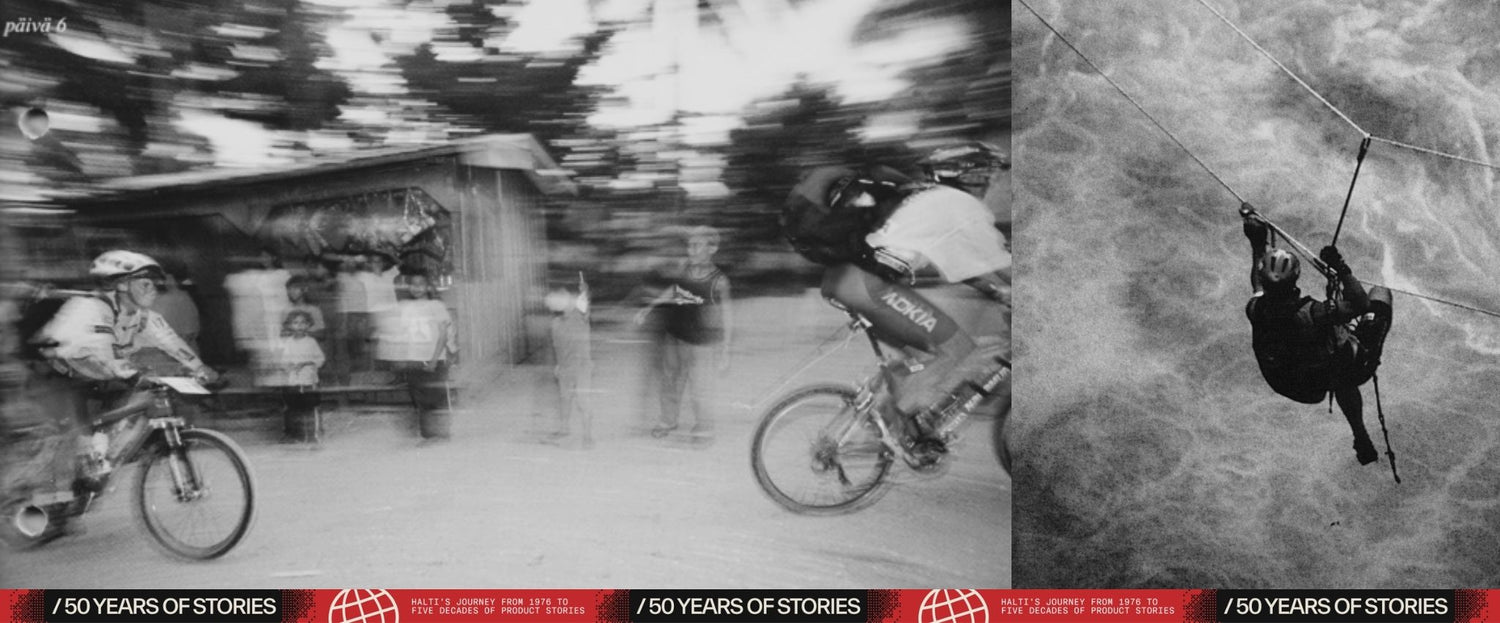
Adventure racing is a multi-discipline endurance sport in which teams navigate through natural terrain using only a map and compass. Typical disciplines include mountain biking, running and trekking, paddling, and orienteering. In addition, races often feature special stages such as rope descents, climbing, or water crossings.
There are two main types of races. In stage races, the competition is divided into daily segments, allowing teams to rest, maintain their equipment, and prepare for the next stage at the end of each day.
Expedition races, on the other hand, represent the most extreme form of the sport. In these, the entire race is completed almost continuously, with teams deciding themselves when to stop and rest. These races can last from three to as many as ten days and cover hundreds of kilometers across varied terrain. In addition to physical endurance, the sport requires precise navigation, careful energy management, and above all, strong teamwork—because a team is only as strong as its weakest member.
The secret to success
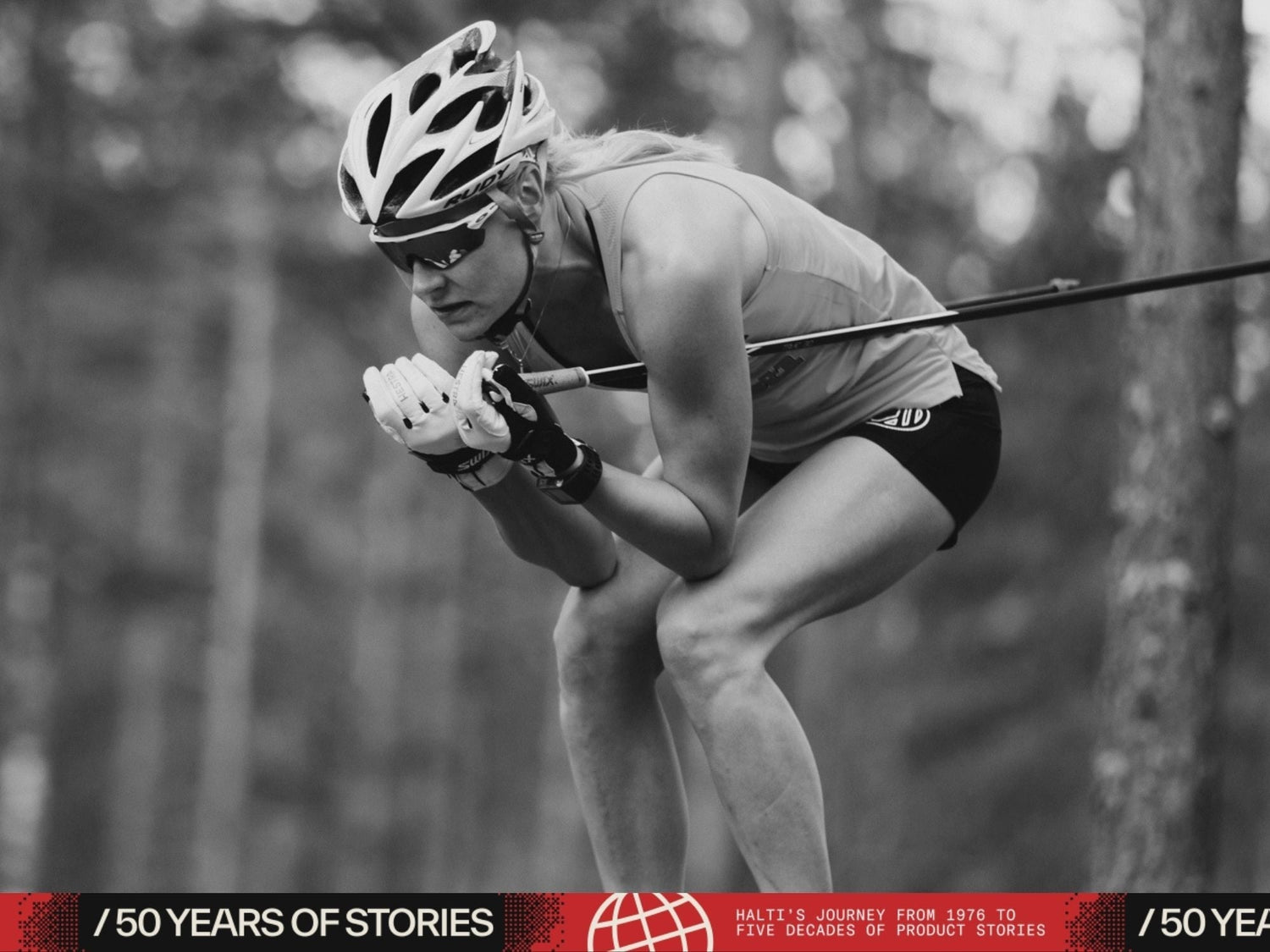
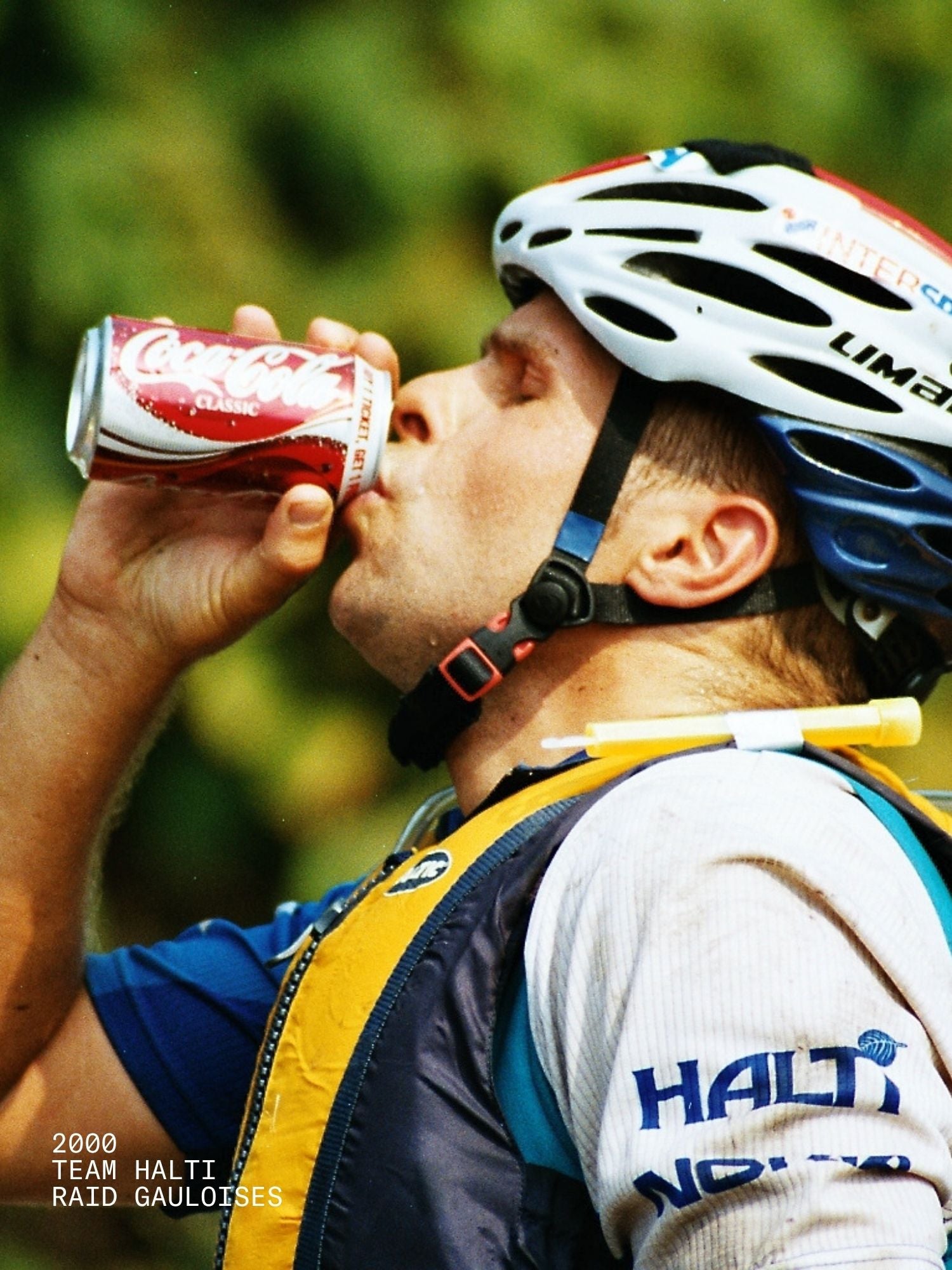
While many competitors entered the sport from a trekking or hiking background, Team Halti approached it purely from a sports performance perspective. Many of its members had elite-level experience in orienteering and endurance sports. This was especially evident in one key way: they ran where others walked.
Many teams treated trekking sections literally as hiking. Team Halti, however, moved through them at a running pace. Lightweight racing tights and fast progression set them apart from competitors who often carried heavier trekking gear.
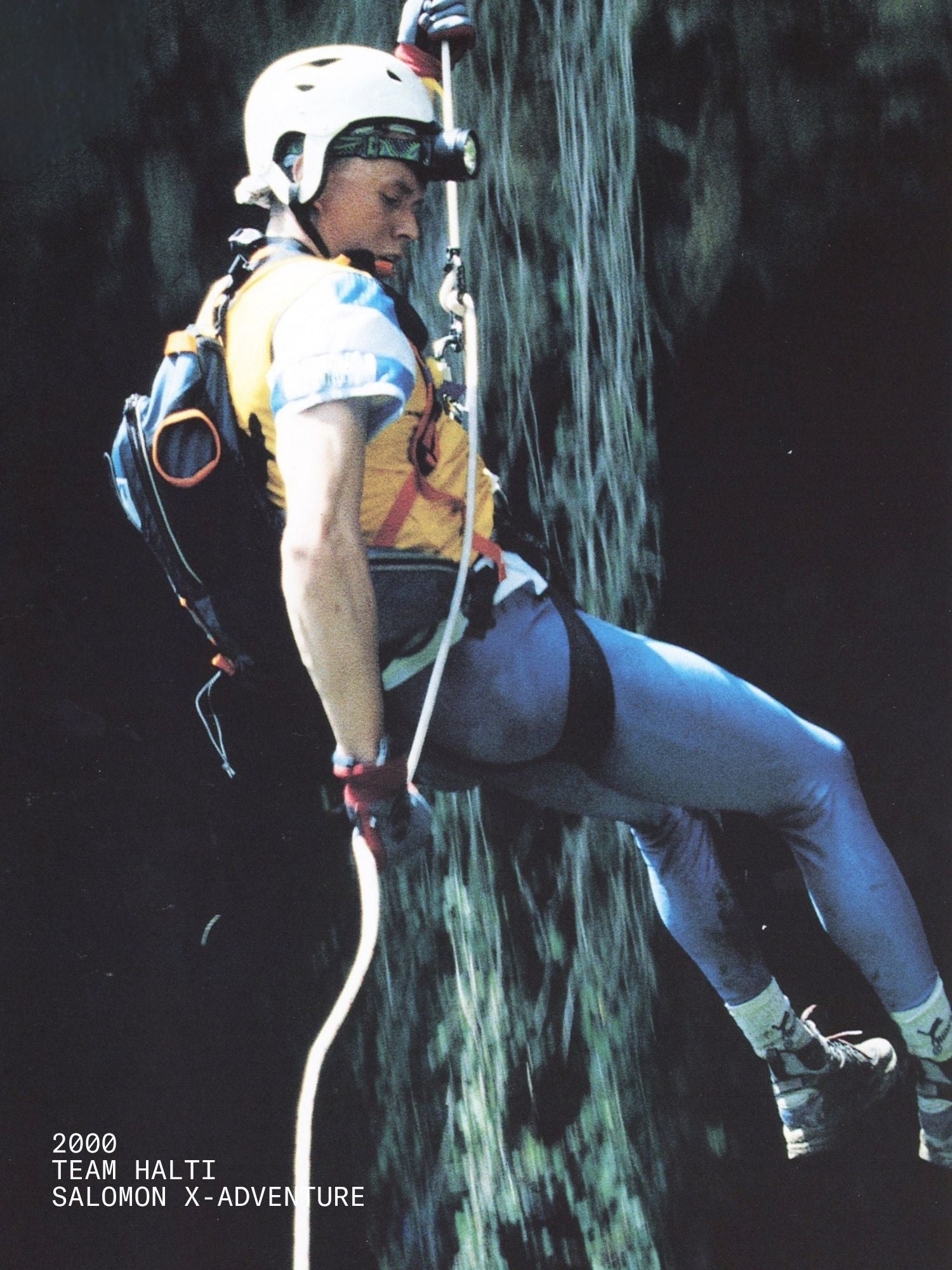
The team was built based on skill. The most important qualities were the ability to move efficiently in terrain, navigate, cycle, and paddle. Since races often included rope sections such as climbing or abseiling, each member also needed to master these fundamental skills.
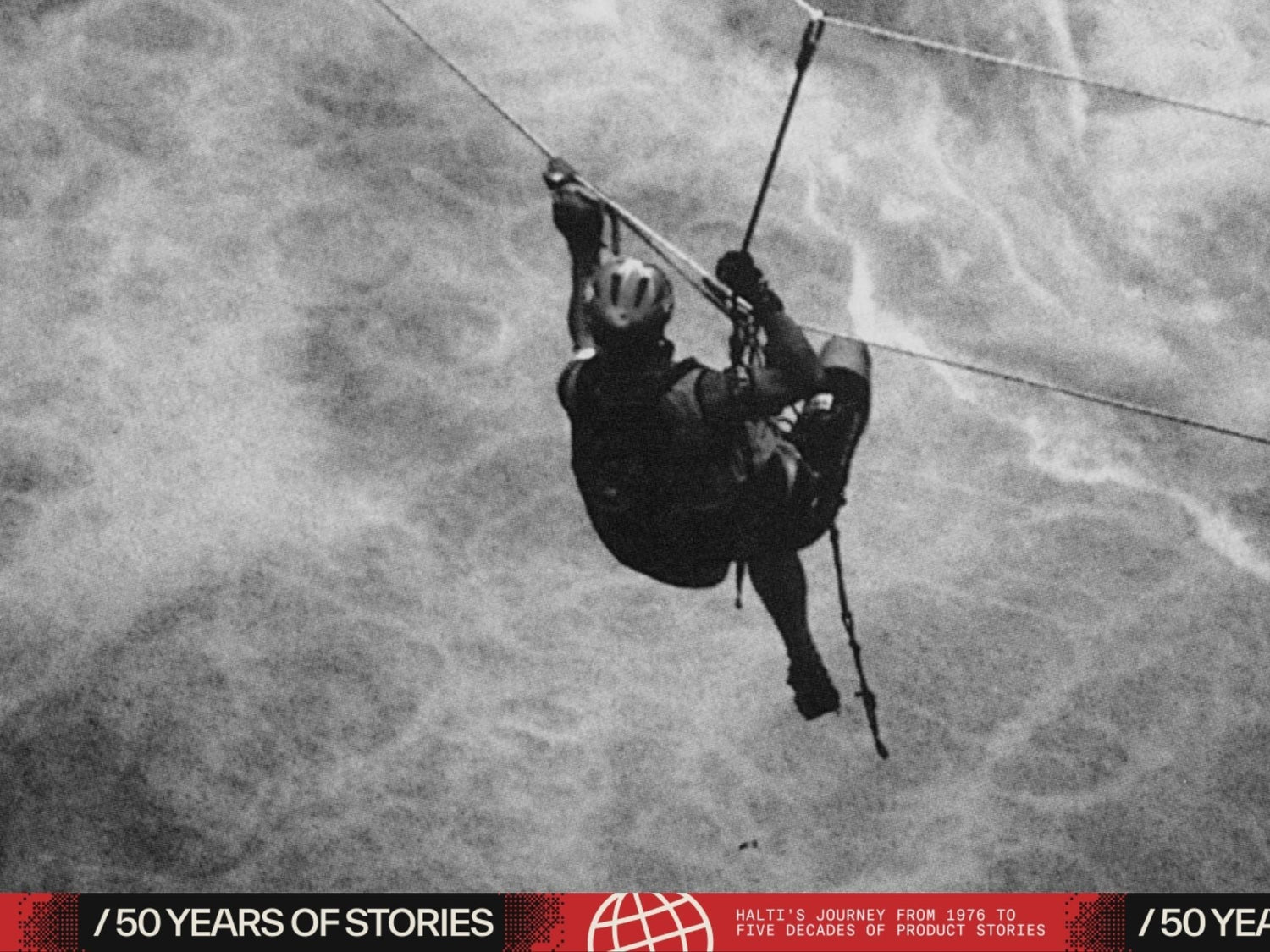
Some disciplines were known in advance, but surprise elements were also common, testing the athletes’ versatility. These could include rollerblading or horseback riding. At times, the course involved crossing glaciers or various bodies of water.
Equipment development as part of competition
In adventure racing, equipment plays a decisive role. In long races, competitors carry almost all their personal gear with them throughout the entire event.
For Halti, collaboration with Team Halti provided both a challenge and valuable feedback directly from extreme conditions. The focus of equipment development was particularly on the backpack.
Orienteer Iiro Kakko had previously been involved in developing a lightweight rogaining backpack with Halti. This so-called “Kakko pack” was further refined to meet the needs of Team Halti.
The backpack had to be extremely lightweight, yet durable and well-fitting. It needed sufficient pockets to ensure that essential items were easily accessible during the race. These included energy gels, a compass, and water purification tools.
During testing, backpacks were often loaded with heavy weights to evaluate their durability over prolonged strain. Petri Forsman still has one of these early competition packs—the predecessor to the Streetpack.
“The backpack is still functional and good. I’m not sure they’ve really improved that much since then,” he says.
Lightweight yet durable for extreme conditions
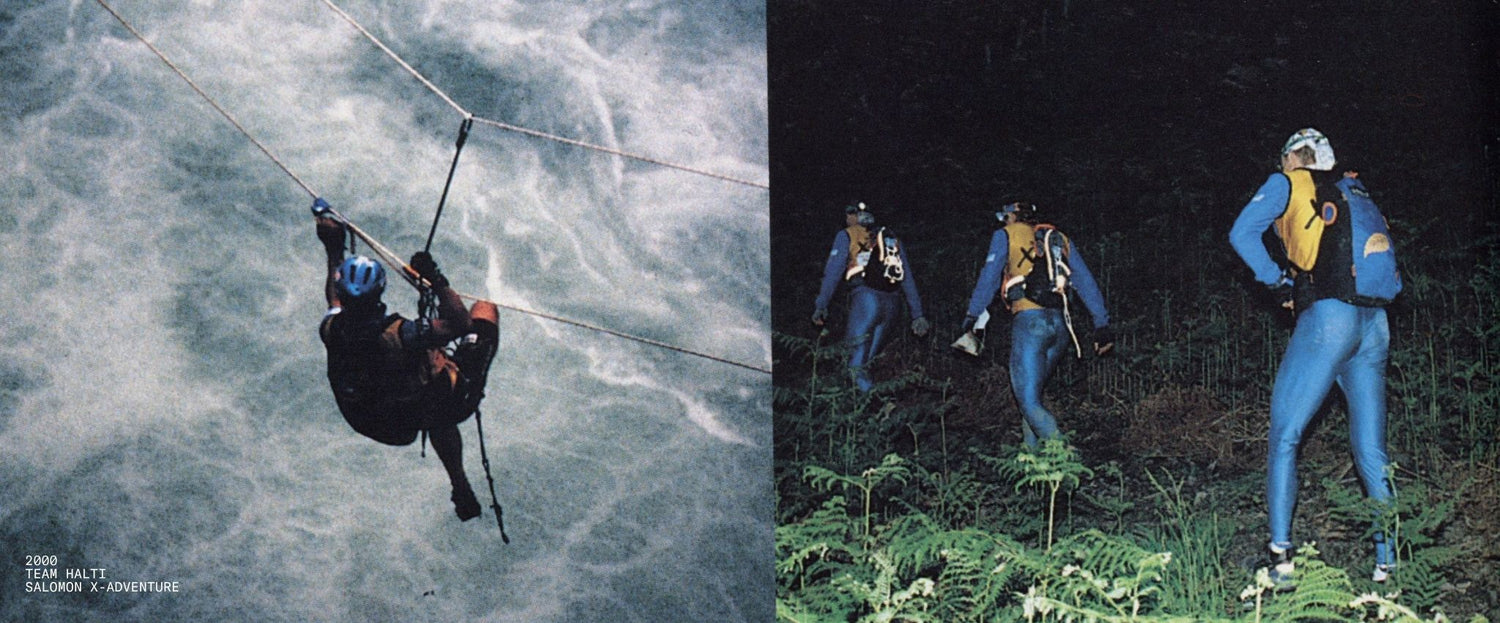
Races could last up to eight days, and clothing was typically not changed at all. If garments became wet, they had to dry while being worn.
Lightweight yet durable materials were essential. The team’s meticulous attention to weight and continuous feedback also influenced Halti’s product development. Around the same time, Halti developed the Grade VII concept, focusing on the most demanding outdoor activities.
In addition to backpacks and clothing, Halti provided the team with tents and bivac bags for overnight stays. Bivac bags were particularly useful in races where sleeping bags were not mandatory. For example, in Brazil, daytime temperatures could exceed 30°C, but drop rapidly at night, making a protective bivac bag essential.
The legendary Raid Gauloises in the Himalayas
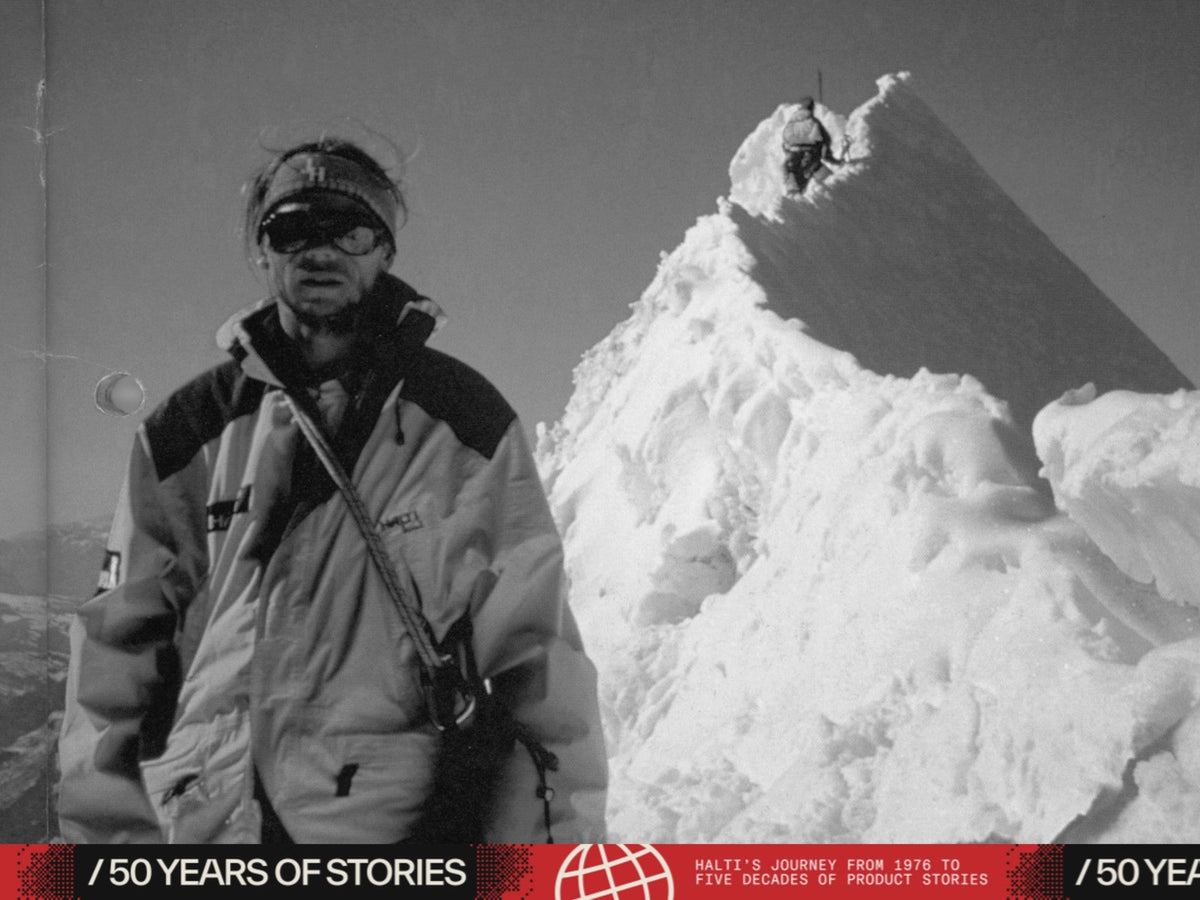
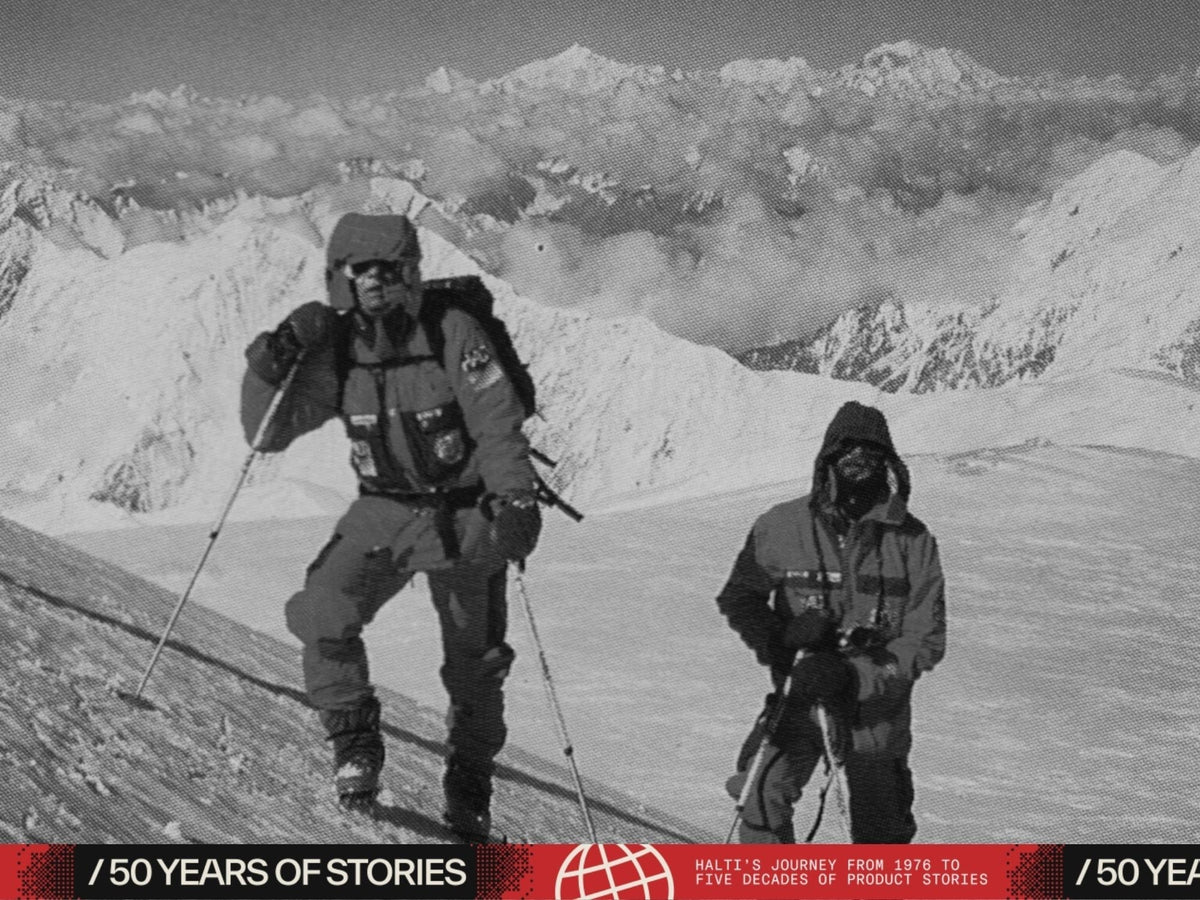
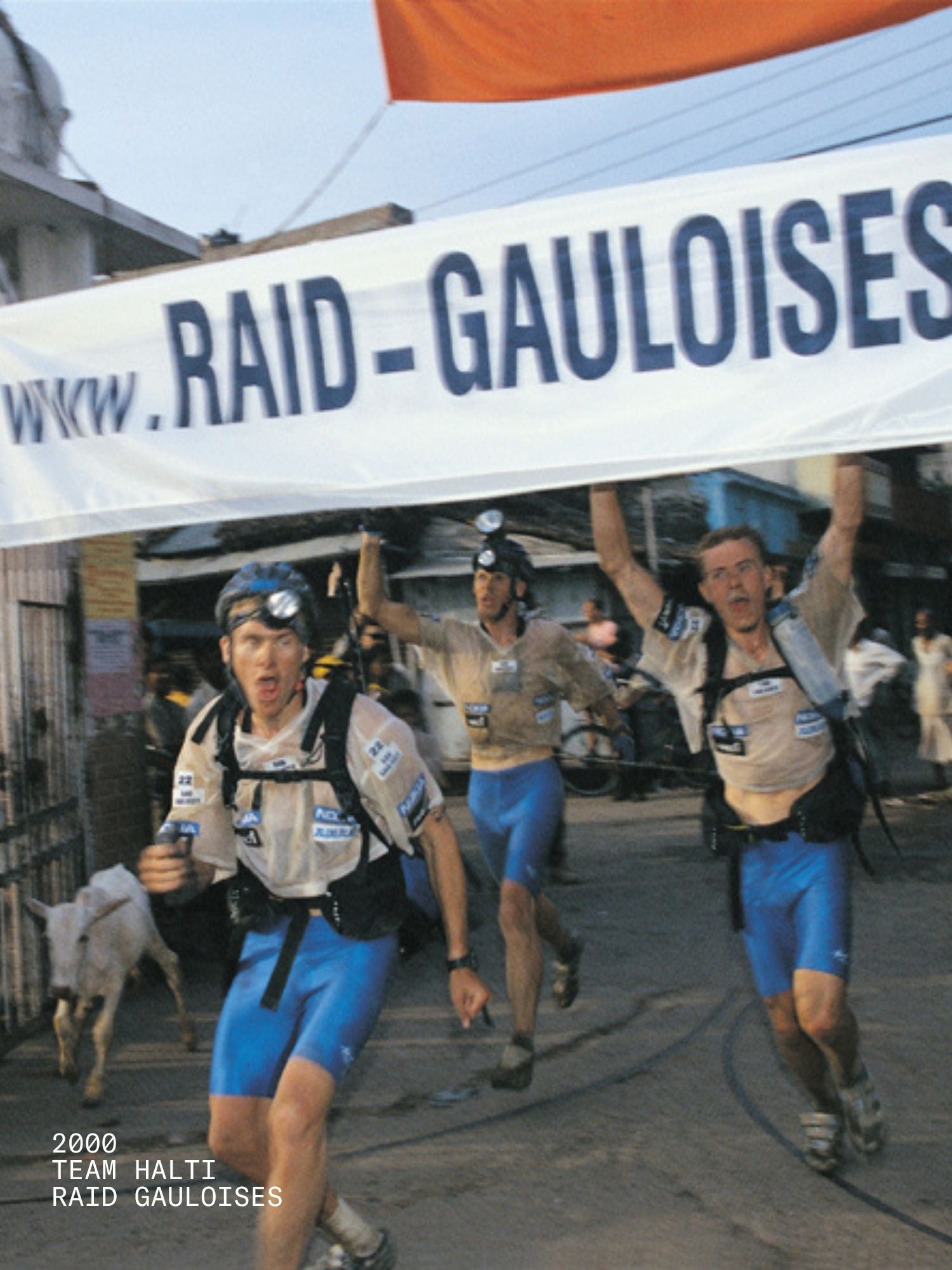
One of the most significant races in Team Halti’s career was the Raid Gauloises in 2000, held high in the Himalayas on the border between Tibet and Nepal.
Team Halti prepared for the race exceptionally carefully. To acclimatize to the high altitude and low oxygen levels, the team spent weeks in Kathmandu and undertook acclimatization treks, including to Everest Base Camp. The race started at around 4,000 meters and reached elevations of up to 5,200 meters.
Many teams struggled already at the starting line due to the altitude and thin air.
Mandatory equipment included weatherproof clothing, for which Halti had developed a particularly lightweight, yet waterproof DrymaxX suit for the team. During gear inspection, however, organizers questioned the waterproofness of the clothing because it lacked familiar Gore-Tex labels. The issue was only resolved when Halti provided official certification of the material’s weather resistance.
The race included trekking in demanding conditions, over 100 kilometers of cycling, and travel through jungles and rice fields. Steady progress, precise navigation, and strong teamwork—almost entirely without rest—brought the team to the front and ultimately across the finish line in first place.
The victory at Raid Gauloises was a historic moment for Finnish adventure sports. It instantly elevated Team Halti to the top of the international scene, proving that Finnish determination and expertise could outperform the world’s best adventure athletes.
A historic world championship
In 2001, the first-ever Adventure Racing World Championships were held in Switzerland. As the event took place in Europe, all the top teams were present.
The race lasted approximately 100 hours and traversed the demanding slopes of the Alps. Elevation changes were immense. Precise navigation and well-timed rest breaks played a crucial role. Weather conditions changed dramatically during the race; despite it being late summer, over 20 centimeters of snow fell in the mountains.
In the final stages, Team Halti managed to overtake the pre-race favorites from New Zealand. During a nighttime ascent from a mountain hut, moonlight illuminated the route, and the team chose to proceed without headlamps to avoid revealing their position. Over the course of more than four days of racing, the team slept for only about four hours—enough to secure the world championship title.
The appeal of pushing limits
For many, the appeal of adventure racing lies in the same thing: testing one’s limits.
Petri Forsman had been orienteering for 15 years before entering adventure racing but felt he had not fully realized his potential due to injuries. Adventure racing offered a new opportunity.
Teamwork was another key attraction. In adventure racing, no teammate is left behind. If someone becomes exhausted, others help—by carrying their backpack or providing assistance, for example with a towline. At some point, everyone needs help. Honesty about one’s own condition is essential, because the team can only win if every member makes it to the finish.
Adventure racing was a full-time commitment that required complete focus on competition. During the peak years, the team spent up to five months a year traveling for races.
“I would do it all over again,” Forsman says.

A legacy in Halti’s product development
Team Halti’s success was not only a sporting achievement. The collaboration also had a significant impact on Halti’s product development. Adventure racing was still a new sport at the time, and many lessons had to be learned through experience.
Solutions developed for competition—such as lightweight materials, functional pocket designs, and ergonomic backpacks—later found their way into consumer products. The gear was created for real extreme conditions, and Halti’s ability to respond to the needs of both the team and the races led to numerous advanced product innovations. Some of these innovations still live on in Halti’s products today, as a legacy of a time when a Finnish team led the world’s toughest adventure races.